The Truth About Sewer Backup Cleanup Costs: Are There Hidden Fees?
Sewer backups can be a homeowner’s nightmare, leading to extensive property damage and health hazards. Understanding the costs associated with sewer backup cleanup is crucial for homeowners to avoid unexpected financial burdens. This article delves into the various factors influencing sewer backup cleanup costs, potential hidden fees, and how to navigate insurance coverage in Utah. By the end, readers will have a comprehensive understanding of what to expect when facing a sewer backup situation and how to mitigate costs effectively.
What Is Sewer Backup and Why Does Cleanup Cost Vary?
Sewer backup occurs when wastewater flows back into a home due to blockages or system failures, leading to significant property damage and health risks. The cleanup costs can vary widely based on several factors, including the extent of the damage and the type of sewage involved. Understanding these variables is essential for homeowners to prepare for potential expenses and ensure proper remediation.
How Does Sewer Backup Cause Property Damage and Health Hazards?
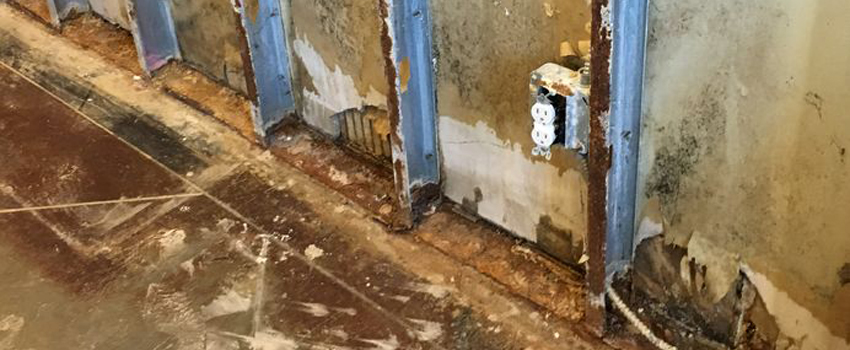
Sewer backups can lead to extensive property damage, including structural issues, mold growth, and contamination of personal belongings. The health hazards associated with sewage exposure are significant, as it can contain harmful bacteria, viruses, and parasites. Homeowners must act quickly to mitigate damage and protect their health, emphasizing the importance of professional cleanup services.
What Are Black Water and Grey Water in Sewage Cleanup?
In sewage cleanup, black water refers to wastewater from toilets, which is highly contaminated and poses severe health risks. Grey water, on the other hand, comes from sinks, showers, and washing machines and is less contaminated but still requires proper handling. Understanding the differences between these types of water is crucial for determining the appropriate cleanup methods and associated costs.
The severe health risks and treatment complexities associated with blackwater are well-documented in environmental studies.
Blackwater Treatment & Health Hazard Mitigation Costs
The discharge of untreated septage is a major health hazard in countries that lack sewer systems and centralized sewage treatment. Small-scale, point-source treatment units are needed for water treatment and disinfection due to the distributed nature of this discharge, i.e., from single households or community toilets. In this study, a high-rate-wetland coupled with an electrochemical system was developed and demonstrated to treat septage at full scale. The energy input for the integrated system was on average 16 ± 3 kWh/m3, and 11 kWh/m3under optimal conditions.
Sanitation of blackwater via sequential wetland and electrochemical treatment, GV Talekar, 2018
What Key Factors Influence Sewer Backup Cleanup Costs?
Several key factors influence the costs associated with sewer backup cleanup. These include the extent of the damage, contamination levels, and the necessary labor and equipment for restoration.
How Do Extent of Damage and Contamination Levels Affect Pricing?
The extent of damage and contamination levels play a significant role in determining cleanup costs. Minor backups may require simple cleaning and sanitization, while severe cases may necessitate extensive repairs and replacement of damaged materials. For example, a small grey water backup might cost significantly less than a major black water incident, which could involve structural repairs and hazardous waste disposal.
What Are Labor, Equipment, and Plumbing Repair Costs in Sewage Restoration?
Labor and equipment costs are critical components of sewer backup cleanup pricing. Professional services often require specialized equipment for sewage extraction and sanitization, which can add to the overall expense. Additionally, plumbing repairs may be necessary to address the root cause of the backup, further increasing costs. Homeowners should be prepared for these potential expenses when facing a sewer backup situation.
What Are the Average Sewer Backup Cleanup Costs and Pricing Structures?
Understanding the average costs associated with sewer backup cleanup can help homeowners budget effectively. Pricing structures typically vary based on the severity of the incident and the type of sewage involved.
How Is Cost Calculated Per Square Foot and by Cleanup Severity?
Cleanup costs are often calculated on a per-square-foot basis, with prices ranging from $15 to $25 per square foot, depending on the severity of the damage. For instance, a minor cleanup may cost around $500 to $1,500, while a major incident could exceed $5,000. Homeowners should obtain detailed estimates from professionals to understand the specific costs associated with their situation.
What Are Typical Cost Ranges for Minor and Major Sewage Cleanup?
Typical cost ranges for sewage cleanup can vary significantly. Minor sewage backups may cost between $1,000 and $3,000, while major incidents can range from $3,000 to $7,000 or more. These costs reflect the complexity of the cleanup process and the necessary repairs, highlighting the importance of prompt action and professional assistance.
Are There Hidden Fees in Sewer Backup Cleanup? How Can You Avoid Them?
Homeowners often encounter hidden fees during sewer backup cleanup, which can lead to unexpected financial burdens. Understanding these potential costs is essential for effective budgeting.
What Unexpected Expenses Commonly Arise During Sewage Cleanup?
Unexpected expenses can arise during sewage cleanup, including additional charges for hazardous waste disposal, structural repairs, and extended labor hours. Homeowners should be aware of these potential costs and discuss them with their service provider to avoid surprises.
How Do Transparent Pricing and Detailed Estimates Prevent Hidden Costs?
Transparent pricing and detailed estimates are crucial for preventing hidden costs in sewer backup cleanup. Homeowners should request comprehensive quotes that outline all potential expenses, ensuring they understand what to expect throughout the cleanup process. This proactive approach can help mitigate financial surprises and ensure a smoother restoration experience.
The importance of accurate cost estimation extends beyond preventing hidden fees, playing a critical role in effective environmental cleanup planning.
Guide to Estimating Environmental Cleanup Costs
The accuracy of the cost estimate is critical for evaluating on-site cleanup options in support of a site investigation, remedy selection decision, or assessment of environmental liabilities. It is important to develop a cleanup cost estimate.
A practical guide to estimating cleanup costs, 2001
Is Sewer Backup Covered by Insurance in Utah? What Should You Know?
Understanding insurance coverage for sewer backup is vital for homeowners in Utah. Many policies have specific provisions regarding sewer backup incidents, which can significantly impact out-of-pocket expenses.
Indeed, sewer backup incidents account for a significant portion of insurance claims, underscoring the financial impact on homeowners.
Sewer Backup Insurance Claims & Cost-Effective Mitigation
insurance industry loss data indicated that over 60% of the insured losses and 70% of the claims were attributed to sewer backup. In its simplest form, cost-effectiveness would be represented by the ratio of the benefits of a program to its costs.
Developing an efficient and cost-effective inflow and infiltration (I/I) reduction program, 2021
What Is the Difference Between Standard Policies and Sewer Backup Riders?
Standard homeowners’ insurance policies often do not cover sewer backup damage, making it essential for homeowners to consider purchasing a sewer backup rider. This additional coverage can provide financial protection in the event of a sewer backup, helping to offset cleanup costs and repairs.
How Can You Navigate Insurance Claims for Sewer Backup Damage?
Navigating insurance claims for sewer backup damage can be complex. Homeowners should document the damage thoroughly, including photographs and detailed descriptions, to support their claims. Working closely with their insurance provider and a professional cleanup service can streamline the process and ensure they receive the coverage they need.
How Can Floodsmen Utah Disaster Cleanup Help with Transparent Sewer Backup Restoration?
Floodsmen Utah Disaster Cleanup specializes in providing reliable and professional sewer backup restoration services. Their expertise ensures that homeowners receive the support they need during these challenging situations.
What Are Floodsmen’s Unique Value Propositions and Certifications?
Floodsmen Utah Disaster Cleanup is a 24/7 disaster cleanup and restoration service based in Davis County, Utah. They specialize in sewage cleanup and offer immediate, reliable services to assist homeowners in crisis. Their team is trained in the latest restoration techniques and adheres to industry standards, including IICRC certifications, ensuring high-quality service.
What Prevention Tips Reduce Future Sewer Backup Cleanup Costs?
To reduce future sewer backup cleanup costs, homeowners should implement regular maintenance practices, such as inspecting plumbing systems, avoiding flushing inappropriate items, and ensuring proper drainage. These proactive measures can help prevent backups and minimize the need for costly cleanup services.
| Cost Factor | Description | Average Cost |
|---|---|---|
| Minor Cleanup | Basic cleaning and sanitization | $1,000 – $3,000 |
| Major Cleanup | Extensive repairs and hazardous waste disposal | $3,000 – $7,000 |
| Labor Costs | Professional service fees for cleanup | $50 – $150 per hour |
This table illustrates the average costs associated with different levels of sewer backup cleanup, helping homeowners understand potential expenses and budget accordingly.
Sewer backup incidents can be overwhelming, but understanding the associated costs and potential hidden fees can empower homeowners to make informed decisions. By being proactive and seeking professional assistance, homeowners can navigate these challenges effectively and protect their properties from future incidents.