Floodsmen Utah Disaster Cleanup

Water Damage Restoration Experts

Your Disaster Is Our Job
Call for a Free Assessment: (801) 896-1000
  • About Us
  • Disaster Cleanup Services
    • Water Damage Restoration Service
    • Fire Damage Restoration Service
    • Building Restoration Service
    • House Cleaning Service
    • Carpet Cleaning Service
    • General Contractor
    • Plumber
    • Environmental Consultant
    • Home Inspector
    • Construction Company
  • Photo Gallery
  • Blog

Winter Flood Risks in Northern Utah: Causes, Damage, and Cleanup Strategies for Homeowners
December 11, 2025 By Ryan Marriott

Winter in Northern Utah brings more than snow-covered mountains and freezing temperatures. It also brings an increase in hidden water threats that put basements, foundations, and plumbing systems at risk. While many homeowners assume flooding only happens during spring rain, winter conditions often create more severe and unpredictable flooding scenarios. Snowmelt, ice dams, frozen pipes, sewer backups, and sudden storms each contribute to winter flood risks northern utah residents face every year.

This article breaks down the main causes of winter flooding, the damage they create, and proven strategies for safe and effective cleanup. With proper knowledge and professional support, homeowners can protect their property and respond quickly when water enters the home.

Understanding Winter Flood Risks in Northern Utah

The region’s terrain and climate make it susceptible to unique winter flood risks. These issues often appear with little warning and escalate quickly.

1. Rapid Snowmelt

Northern Utah experiences dramatic temperature swings in winter. A sudden warm front can melt several inches of snow within hours. When the ground is frozen, meltwater cannot absorb and instead flows toward foundations, window wells, and drainage systems. This runoff often finds its way into basements through cracks or saturated soil.

2. Ice Dams on Rooflines

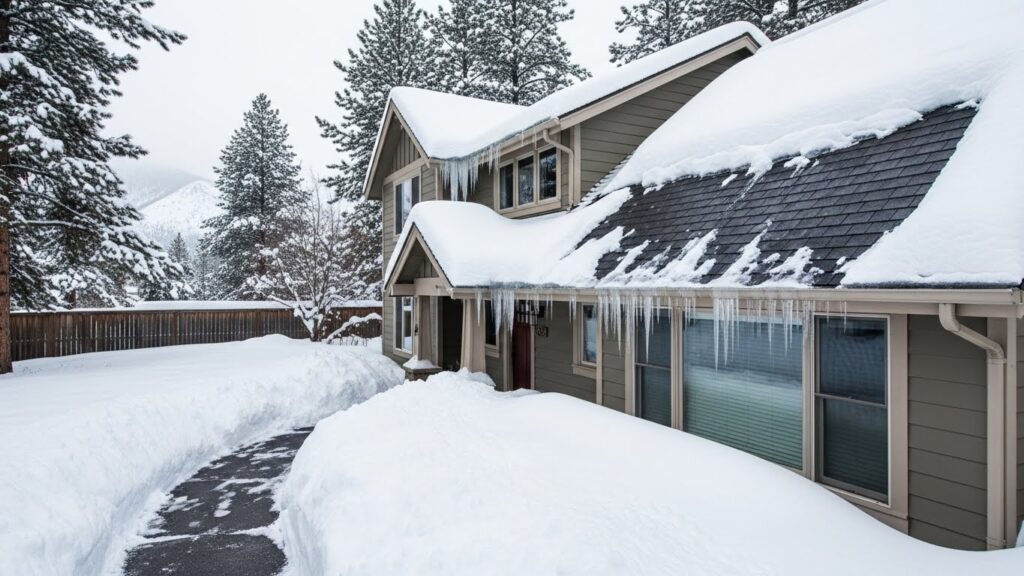
Ice dams form when heat escapes through the roof, melting snow that refreezes at the edges. As water pools behind the ice barrier, it seeps under shingles and travels down walls, eventually entering basements or crawl spaces. Homes with insufficient attic insulation or ventilation are especially vulnerable.

3. Frozen or Burst Pipes

Flooded basement with water pooling around cardboard boxes and a shelf of canned goods, illustrating winter water damage from melting snow and burst pipes.

When temperatures fall below freezing, uninsulated pipes in basements, crawl spaces, and exterior walls can freeze and burst. According to the Insurance Institute for Business and Home Safety, burst pipes are one of the most expensive sources of winter water damage. A single ruptured pipe can release hundreds of gallons of water within minutes.

4. Sewer and Drain Backup

Winter storms often overwhelm municipal drainage systems. Snowmelt, combined with debris and frozen blockages, can create pressure that forces sewer water backward into homes. This type of flooding is hazardous because it introduces contaminated water that requires professional remediation.

5. Water Heater or Boiler Failures

Increased winter usage and aging equipment raise the risk of tank leaks or failures. A burst water heater can flood basements quickly, especially if unnoticed for several hours.

Common Types of Winter Water Damage

Water behaves differently in cold weather, and the damage often spreads farther and faster than homeowners expect.

Damage TypeCauseImpact
Foundation seepageRapid snowmelt or icy soilStructural cracking and long-term shifting
Roof leaksIce dam moistureCeiling collapse and wall damage
Pipe burstsFrozen plumbingWidespread basement flooding
Sewer contaminationDrain backupHazardous cleanup and health risks
Appliance failureOverworked water heatersLocalized but severe water damage

These issues often require specialized drying equipment, antimicrobial treatments, and structural assessment.

Immediate Steps to Take After Winter Flooding

Winter flood risks northern utah homeowners face cannot always be avoided, but quick action minimizes damage.

1. Shut off electricity in affected areas if safe.
2. Stop the water source by closing the main valve if a pipe has burst.
3. Avoid walking through water if there is a chance of sewage contamination.
4. Document all damage for insurance purposes.
5. Contact a professional cleanup service as soon as possible.

Floodsman Disaster Cleanup offers 24 hour emergency response and has the specialized equipment required for winter water extraction and drying.

Cleanup Strategies for Winter Flooding

Proper cleanup requires more than drying surfaces. Winter flooding introduces unique risks that demand professional care.

Frozen Pipe Burst Cleanup

Technicians remove standing water, cut out waterlogged materials, and use industrial heaters and dehumidifiers to dry hidden areas.

Ice Dam Water Intrusion

Cleanup includes roof repairs, moisture mapping inside walls, and addressing attic insulation or ventilation problems to prevent recurrence.

Sewer Backup Cleanup

This scenario requires full disinfection with EPA approved antimicrobial products, removal of contaminated materials, and air quality testing.

Snowmelt-Related Foundation Flooding

Professionals inspect drainage paths, seal cracks, and install mitigation systems such as sump pumps or French drains.

Winter flooding in Northern Utah is more common than many homeowners realize. According to FEMA data,more than 20 percent of all flood claims nationwide occur during the winter months, even in regions where snowfall is the primary source of moisture.The Utah Division of Emergency Management reports that rapid freeze–thaw cycles in the Wasatch Front region increase groundwater pressure and foundation seepage, contributing to structural damage in thousands of homes each decade.

The National Weather Service also emphasizes that a single warm storm passing over deep snowpack can produce runoff equal to multiple inches of rainfall. These events overwhelm older neighborhood drainage systems and frequently lead to sewer or drain backup in basements. Homeowners can access flood preparation resources through Utah’s Be Ready initiative and the National Flood Insurance Program, both of which encourage proactive maintenance and proper documentation of home vulnerabilities. Adding these resources to your winter planning increases awareness and reduces the chances of major water damage during extreme weather changes.

Q&A: Winter Flood Risks in Northern Utah

Q: Are winter floods more damaging than spring floods?
A: Yes. Frozen ground, snowmelt pressure, and rapid temperature changes often cause water to enter homes faster and penetrate deeper.

Q: How can I tell if water in my basement came from an ice dam?
A: Look for moisture around exterior walls, ceilings, or insulation. Ice dam water usually enters from higher points rather than floor-level drains.

Q: Are frozen pipe repairs covered by insurance?
A: Burst pipes are often covered, but damage caused by lack of maintenance may not be. It varies by policy.

Q: Can snowmelt cause sewer backup?
A: Yes. When municipal systems are overloaded by meltwater, drains can reverse flow toward homes.

Final Thoughts for Homeowners

Winter conditions bring a range of hidden water threats. Understanding the causes and responding quickly helps reduce the financial and emotional stress of flooding. Whether the issue began with an ice dam, a burst pipe, or sewer backup, Floodsman Disaster Cleanup provides reliable, local expertise to restore your home safely.

Contact Floodsman todayfor emergency winter flood cleanup or a winter flood risks inspection.

Filed Under: BlogTagged With: basement flooding, disaster cleanup, flooding

Winter-Proof Your Basement: Smart Systems and Maintenance to Prevent Sewer and Drain Backup
November 20, 2025 By Ryan Marriott

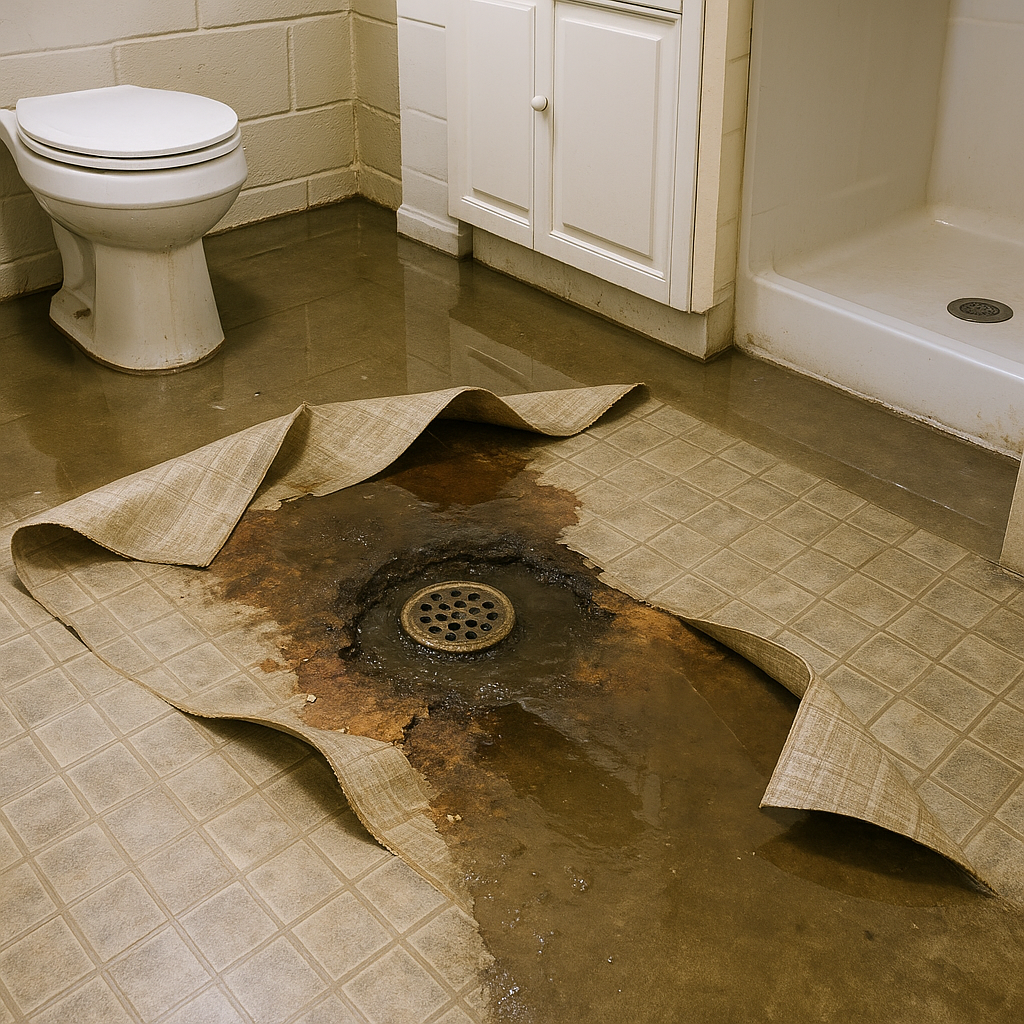
bathroom cleanup

When temperatures drop and snow begins to fall along the Wasatch Front, Northern Utah homeowners face a hidden risk—sewer and drain backup. Frozen pipes, heavy snowmelt, and overloaded municipal systems often combine to push contaminated water back into homes, causing costly and unsanitary basement flooding.

This article walks through why backups are common during winter, which smart systems and maintenance steps can prevent them, and how expert services like Floodsman Disaster Cleanup help protect homes year-round.

Why Winter Increases the Risk of Sewer and Drain Backup

Even though flooding is often associated with spring rain, winter brings unique hazards:

  • Freeze–thaw cycles: As ground moisture freezes, it expands, shifting soil and pipes. Cracks allow groundwater and sewage to enter the home.
  • Frozen ground: When snow melts quickly, water cannot soak into the frozen soil and instead flows toward foundation drains.
  • Clogged exterior drains: Leaves and ice block drainage systems, forcing water into window wells or basements.
  • Heavy snowmelt runoff: A sudden warm spell after heavy snowfall can overload local storm drains.
  • Aging infrastructure: Many Utah neighborhoods still rely on older, combined storm–sewer systems that can easily overflow during freeze–thaw events.

According to the Utah Division of Emergency Management, property losses from winter flooding and backups can exceed $10 million statewide in a single season, with most incidents concentrated in older residential areas.

The True Cost of a Sewer and Drain Backup

A backup is more than a nuisance—it can compromise your home’s structure and safety.

Type of DamageCommon CauseImpact
Contaminated waterOverflow from municipal sewers or drainsHealth hazards from bacteria, mold, and chemicals
Foundation stressWater pressure or freeze–thaw cyclesCracking, shifting, and long-term structural instability
Electrical damageFlooded outlets or wiringFire and shock risk
Mold growthLingering moistureRespiratory issues, costly remediation

Because sewer water contains biohazards, cleanup should always be performed by certified professionals like Floodsman, who follow EPA and IICRC safety standards.

Smart Systems That Prevent Sewer and Drain Backup

Modern technology can now alert you to problems before they turn into emergencies. Consider these upgrades for your Northern Utah home:

camera drain inspection
  • Smart Water Sensors: Detect rising humidity or leaks in basements and send real-time alerts to your phone.
  • Automatic Shutoff Valves: Cut off water flow when abnormal pressure or moisture levels are detected.
  • Battery-Backed Sump Pumps: Keep draining water even during power outages—a must during winter storms.
  • Backwater Valves: Mechanically close if sewage begins to flow backward through your line.
  • Camera Drain Inspections: Use video to check for blockages, cracks, or root intrusions that cause recurring backups.

According to Consumer Reports, homes with early-warning sensors and preventive valves reduce average water-damage costs by up to 70% compared to those without.

Winter Maintenance Checklist for Homeowners

Routine maintenance is the best defense against sewer and drain backup.

TaskFrequencyWhy It Matters
Test sump pump operationMonthlyEnsures pump will activate during storms
Inspect and clean guttersMonthly in fall and early winterPrevents overflow near foundation
Check backwater valveAnnuallyVerifies seal function and prevents reverse flow
Schedule drain line inspectionAnnuallyDetects clogs or cracks early
Clear snow away from basement windowsAfter major stormsKeeps meltwater from seeping inside
Maintain indoor temperature above 55°FAlwaysPrevents frozen pipes that can burst

If you cannot perform these tasks yourself, Floodsman offers winter-readiness assessments to ensure your drainage and backup prevention systems are functioning properly.

Understanding Insurance Coverage Before Winter

Many homeowners learn too late that standard insurance policies exclude sewer and drain backup. Understanding your options now can prevent financial headaches later:

  • Add a sewer and drain backup rider to your existing homeowner’s policy.
  • Document system upgrades—insurers often reward preventive improvements with lower premiums.
  • Maintain receipts and inspection reports from professionals like Floodsman to support future claims.
  • File claims immediately after a flood or backup; delays can limit coverage eligibility.

The average sewer backup cleanup claim in Utah costs between $7,500 and $25,000, depending on contamination level and damage scope.

Q&A: Sewer and Drain Backup Prevention for Winter

Q: Can snowmelt really cause sewer and drain backup in my home?
A: Yes. When snow melts faster than drains can handle it, water pressure builds up in combined systems and can backflow through basement drains.

Q: How effective are backwater valves during freezing temperatures?
A: High-quality valves are built to withstand cold, but they still require annual inspection to ensure the flap seals properly.

Q: Do smart sensors detect sewer water or just clean water leaks?
A: Advanced sensors can detect both moisture and contamination indicators, providing early alerts before water levels rise.

Q: Can clogged street drains cause backup in my home?
A: In some cases, yes. When municipal drains are blocked, pressure may redirect flow toward connected residential lines.

Q: Is professional maintenance worth the cost?
A: Absolutely. Preventive inspections and valve installations cost a fraction of post-flood cleanup and can extend system lifespan.

Why Floodsman Is the Trusted Partner for Winter Flood Prevention

Floodsman Disaster Cleanup is more than an emergency response team—they are a local resource for proactive basement protection. Their technicians specialize in diagnosing sewer and drain backup vulnerabilities unique to Northern Utah’s climate, including freeze–thaw cycles and municipal overflow conditions.

Services include:

  • Camera inspections and line flushing
  • Backwater valve installation and maintenance
  • 24/7 emergency cleanup for sewage and floodwater
  • Documentation for insurance and repair records

Floodsman combines fast local response with advanced moisture detection technology, ensuring that every homeowner receives both rapid recovery and long-term protection.

Final Thoughts for Homeowners

As winter approaches, now is the time to prepare. Investing in smart sensors, backwater valves, and professional inspections will not only protect your property but also save money and stress in the long run.

If you notice slow drains, gurgling pipes, or musty basement odors, don’t wait for the next storm. Floodsman Disaster Cleanup provides expert inspections, upgrades, and full-service recovery for every sewer and drain backup scenario in Northern Utah.

Contact Floodsman today for a winter-readiness inspection or 24/7 emergency assistance.

Filed Under: BlogTagged With: basement flooding

Sewer and Drain Backup: How to Prevent Basement Flooding Before It Starts

November 10, 2025 By Ryan Marriott

Fall storms in Northern Utah often mean more than wet roads and muddy yards. For many homeowners, the bigger threat comes from below — sewer and drain backup. When heavy rain or melting snow overloads city systems, dirty water can surge back into homes through floor drains, toilets, and sinks, leaving behind contamination and thousands of dollars in damage.

This article explains what causes sewer and drain backup, what you can do to prevent it, and how professional cleanup services like Floodsman Disaster Cleanup protect Northern Utah homes from repeat disasters.

Why Sewer and Drain Backup Is So Common in Northern Utah

Northern Utah’s infrastructure and geography make it especially vulnerable to backups:

sewer and drain backup
  • Old plumbing systems: Many neighborhoods in Salt Lake, Weber, and Utah Counties have outdated pipes that struggle under modern demand.
  • Heavy rainfall events: Short, intense storms overwhelm municipal systems, pushing water backward into homes.
  • High water tables: Persistent groundwater pressure can add to the problem, forcing water through cracks or drains.
  • Mixed drainage and sewer lines: Older systems sometimes combine storm and sewer lines, creating overflow risk.

According to the Utah Division of Water Resources, local flood-related property damage can reach millions annually. Most of that comes from preventable plumbing and drainage failures.

How Sewer and Drain Backup Damages Basements

A single sewer and drain backup can spread contaminated water across your basement in minutes. The damage extends far beyond the surface.

Damage TypeDescriptionHealth or Structural Risk
Contaminated WaterContains bacteria, viruses, and toxic chemicalsSerious health hazard; must be handled professionally
Mold GrowthBegins within 24–48 hours in damp areasRespiratory issues and costly removal
Electrical RiskWater can reach outlets and wiringFire and shock hazards
Foundation DamageProlonged moisture weakens structural integrityCracking or long-term settling

Cleanup requires more than mopping or drying; full remediation with disinfecting agents and industrial drying equipment is essential to restore safety.

Warning Signs of a Developing Backup

Watch for these early indicators that your home may be at risk:

  • Gurgling sounds in toilets or drains during rainfall
  • Water pooling near basement floor drains
  • Unusual odors from lower-level plumbing
  • Slow-draining sinks or bathtubs on the lowest floor
  • Air bubbles when flushing toilets

If you notice these signs, you may already have partial blockage or rising water pressure in your system. Early action prevents expensive cleanup later.

Immediate Steps if Sewer Water Enters Your Home

If a sewer and drain backup occurs, safety should come first.

  1. Avoid direct contact with the water. It likely contains pathogens.
  2. Shut off electricity in affected areas if safe to do so.
  3. Do not use sinks or toilets until professionals inspect the line.
  4. Document all damage with photos for insurance purposes.
  5. Call a licensed flood cleanup service like Floodsman immediately.

Floodsman Disaster Cleanup provides 24/7 emergency response across Northern Utah, using protective gear and advanced extraction tools to remove contaminated water safely.

Preventive Upgrades to Protect Your Basement

Homeowners can significantly reduce risk through a few strategic upgrades:

  • Install a backwater valve: Automatically closes when water tries to flow backward into your home.
  • Maintain sewer lines: Schedule annual professional inspections to detect clogs or cracks.
  • Upgrade sump pumps: Add battery or generator backups so the system continues working during storms.
  • Clean gutters and downspouts: Reduces overflow pressure near the foundation.
  • Seal foundation cracks: Prevents groundwater intrusion during high water events.

These improvements cost less than major cleanup and make your property more resilient to seasonal flooding.

Understanding Insurance Coverage for Sewer and Drain Backup

Many homeowners assume their standard insurance covers all types of flooding, but that’s often not true.

Coverage TypeWhat It IncludesNotes
Homeowner’s InsuranceSudden internal water damage (like burst pipes)Usually excludes external flooding or sewer backup
Flood Insurance (NFIP)Surface flooding from outside water sourcesDoes not always cover sewer backup unless caused by external flood
Sewer Backup RiderAdds specific coverage for drain or sewer overflowMust be added separately; relatively inexpensive

Floodsman regularly assists customers in documenting damages and providing the detailed reports insurers require to process claims efficiently.

Q&A: Sewer and Drain Backup in Northern Utah

Q: What causes most sewer and drain backups in homes?
A: Heavy rain, tree root intrusion, and municipal system overloads are the top causes in Northern Utah neighborhoods.

Q: Is it safe to clean up a sewer backup myself?
A: No. Contaminated water poses serious health risks. Professional cleanup ensures safe disinfection and prevents mold growth.

Q: How often should I have my drains or sewer lines inspected?
A: Once per year, especially if your home is more than 20 years old or you’ve experienced slow drainage or odors.

Q: Does a backwater valve require maintenance?
A: Yes. It should be inspected annually to ensure it seals and closes properly during storm events.

Q: What should I do if backup happens repeatedly?
A: Request a professional camera inspection of your sewer line. There may be structural damage or misaligned joints causing repeated backups.

Why Floodsman Is the Local Expert for Sewer and Drain Backup Cleanup

Floodsman Disaster Cleanup specializes in water and contamination response for Northern Utah homes. Their technicians use industrial-grade pumps, dehumidifiers, and antimicrobial treatments designed for health-safe restoration.

Unlike general contractors or national chains, Floodsman’s local team understands regional infrastructure challenges — from the mixed storm-sewer systems in older Salt Lake City neighborhoods to high groundwater zones in Davis County. That local knowledge helps prevent future problems, not just fix immediate damage.

Final Thoughts for Homeowners

A sewer and drain backup is one of the most destructive and unsanitary events that can occur in a home. With fall rainstorms approaching, now is the time to schedule preventive inspections, upgrade vulnerable plumbing, and review your insurance coverage.

If you experience signs of backup or water intrusion, Floodsman Disaster Cleanup provides fast, professional service throughout Northern Utah. Their experts handle everything from safe water extraction to full disinfection and documentation for insurance.

Contact Floodsman today for 24/7 emergency cleanup or to schedule a preventive inspection before the next big storm.

Filed Under: BlogTagged With: basement flooding

Floodsmen disaster cleanup services logo, representing water damage restoration and mold remediation expertise in Utah.

About

Northern Utah Flood Cleanup Specialists! Water, Sewage and Mold are our specialties. We make the process fast and easy!

Like Us on Facebook
Check out Floodsmen Disaster Cleanup on Yelp

Contact Us In Kaysville

854 W 450 N STE 9

Kaysville, Utah 84037

phone: (801) 477-8242

Read More

Contact Us In Clearfield

P.O. Box 160554

Clearfield, UT 84016

phone: (801) 896-1000

E-Mail: info@floodsmen.com

Request Service or Assessment

Copyright Floodsman Disaster Cleanup 2021

Comprehensive Guide to Winter Flooding and Prevention in Northern Utah

This guide serves as a complete resource for homeowners in Northern Utah, detailing the risks associated with winter flooding and the preventive measures that can be taken. Understanding the landscape and seasonal changes is crucial for mitigating flooding risks, particularly in areas prone to heavy snowfall and rapid snowmelt.

By addressing both the causes and the solutions for winter flooding, this guide aims to empower homeowners with knowledge and practical steps to protect their properties. From recognizing the signs of potential flooding to implementing effective drainage solutions, this comprehensive approach ensures that residents are well-prepared for the winter months.

Long-Term Impacts of Winter Flooding on Home Structures

Winter flooding can lead to significant long-term damage to home structures if not addressed promptly. The effects of water intrusion can compromise the integrity of foundations, lead to mold growth, and necessitate extensive repairs that can be costly and time-consuming.

Homeowners should be aware that the lingering effects of winter flooding can extend beyond immediate water damage. Prolonged exposure to moisture can weaken structural components, degrade insulation, and create health hazards due to mold proliferation. Regular inspections and maintenance are essential to mitigate these risks and protect the value of the home.

Essential Tools and Equipment for Winter Flood Preparedness

Having the right tools and equipment on hand can make a significant difference in preventing and responding to winter flooding. Essential items include sump pumps, water alarms, and snow removal equipment, which can help manage water levels and prevent ice buildup around the home.

In addition to basic tools, investing in moisture detection devices and industrial-grade dehumidifiers can aid in identifying and addressing water issues before they escalate. Homeowners should also consider professional-grade cleaning supplies and safety gear to ensure that they can effectively manage any flooding incidents that arise during the winter months.

Community Resources for Flood Prevention and Cleanup

Local community resources can be invaluable for homeowners facing the risks of winter flooding. Organizations such as the Utah Division of Emergency Management provide information on flood preparedness, response strategies, and available assistance for affected residents.

Additionally, community workshops and seminars can offer practical tips and networking opportunities for homeowners to learn from experts and share experiences. Engaging with local resources not only enhances individual preparedness but also fosters a collaborative approach to flood management within the community.