Is it safe to stay in your home after flooding? That is the first question most Davis and Weber County homeowners ask, and the honest answer depends on the type of water, how long it has been present, and the risks it leaves behind. At Floodsmen Disaster Cleanup, we help local families decide whether it is safe to stay in your home after flooding and handle the cleanup that makes a home safe again.
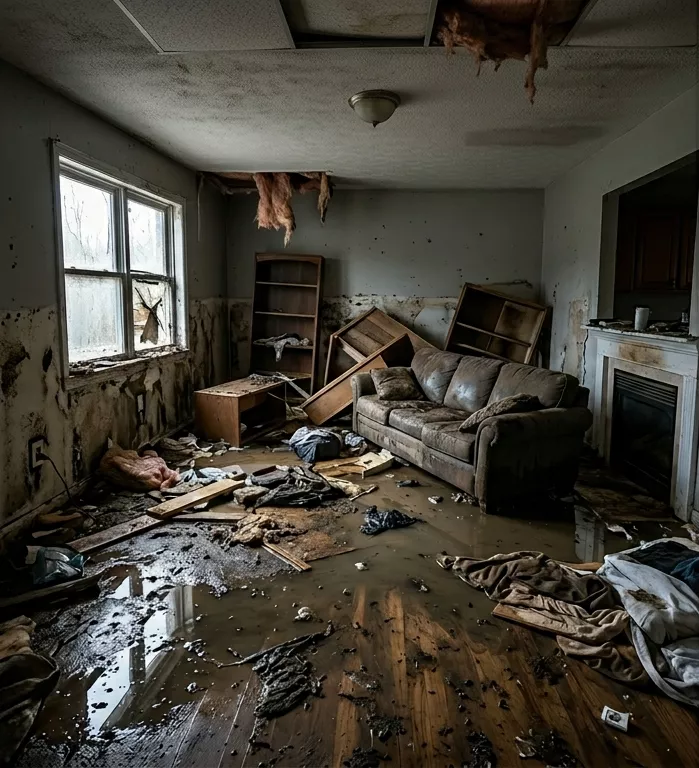
After a basement floods, many Northern Utah homeowners face an urgent decision before cleanup even begins: Is it safe to stay in the house? The answer depends on several factors, including the type of water involved, how far it spread, how long it has been present, and whether hidden damage exists.
This guide explains is it safe to stay in your home after flooding scenarios in clear, practical terms. It focuses on health risks, structural dangers, contamination levels, and realistic timelines, helping homeowners make informed decisions instead of guessing under stress.
Why This Question Matters So Much
Flooding is not just a property issue. It is a health and safety issue. According to the Centers for Disease Control and Prevention, floodwater exposure increases the risk of respiratory illness, bacterial infection, electrical injury, and long-term mold-related health problems.
In Northern Utah, winter flooding from snowmelt, frozen pipes, and sewer backup adds extra complications. Cold temperatures slow drying, allowing moisture to linger inside walls, flooring, and insulation long after visible water is gone.
Deciding whether it is safe to remain in the home requires understanding what kind of flooding occurred and what risks remain unseen.
Types of Floodwater and Safety Risk Levels
The type of water involved is the single biggest factor in determining whether a home is safe to occupy.
| Water Type | Source | Safety Risk | Can You Stay in the Home? |
|---|---|---|---|
| Clean water | Burst pipes, water heaters | Low initially | Sometimes, with fast cleanup |
| Gray water | Washers, dishwashers, minor drain backup | Moderate | Often unsafe without cleanup |
| Black water | Sewer or drain backup, contaminated runoff | High | Not safe until remediated |
Even clean water can become unsafe within 24 to 48 hours if not properly dried. This is why professional assessment is critical.
Health Risks That Are Not Immediately Visible
Many homeowners assume that if water looks clear and smells fine, the home is safe. Unfortunately, this is rarely true after flooding.
Mold Growth
Mold can begin growing within 24 to 48 hours in damp environments. The Environmental Protection Agency confirms that mold spores thrive behind walls, under flooring, and inside insulation, even when surfaces appear dry.
Bacteria and Pathogens
Floodwater often carries bacteria from soil, drains, or sewage systems. Sewer backup flooding presents the highest risk, introducing pathogens that can cause gastrointestinal illness, skin infections, and respiratory issues.
Air Quality Problems
As materials dry improperly, airborne particles increase. These include mold spores, dust, and chemical residues from contaminated water.
Children, elderly individuals, and people with asthma or compromised immune systems face heightened risk.
Structural and Electrical Dangers After Flooding
Safety is not limited to health concerns. Flooding can compromise the structure and electrical systems of a home.
Structural Risks Include:
- Weakened drywall and framing
- Compromised flooring supports
- Shifting foundation materials
- Hidden water damage inside load-bearing walls
Electrical Hazards Include:
- Water contacting outlets or wiring
- Short circuits behind walls
- Corrosion of electrical components
The National Fire Protection Association warns that reactivating electricity before inspection increases the risk of fire and shock.
How Long Water Has Been Present Matters
Time is a critical variable in answering is it safe to stay in your home after flooding.
| Time Since Flooding | Risk Level |
|---|---|
| Less than 12 hours | Lower risk if addressed immediately |
| 12 to 48 hours | Increased mold and contamination risk |
| Over 48 hours | High likelihood of unsafe conditions |
In winter, cold temperatures slow evaporation, meaning damage often worsens even if standing water appears minimal.
When It May Be Safe to Stay Temporarily
In limited situations, staying in the home may be possible if all of the following are true:
- Floodwater was clean
- Water was limited to a small area
- Power was shut off and inspected
- Professional drying began immediately
- No sewer or drain backup occurred
Even then, continued monitoring is essential. Odors, increased humidity, or health symptoms indicate the home may not be safe.
When You Should Leave the Home
You should leave the home immediately if:
- Floodwater came from a sewer or drain
- There is standing water near electrical systems
- Mold odor is present
- Structural sagging or wall damage is visible
- Children or vulnerable individuals live in the home
Temporary relocation often prevents health complications and further damage.
Table: Safety Decision Guide
| Condition Present | Stay or Leave |
|---|---|
| Clean water, fast drying | Possibly stay |
| Gray water exposure | Leave until cleaned |
| Black water exposure | Leave immediately |
| Mold odor | Leave |
| Electrical damage | Leave |
| Unknown water source | Leave |
What Professional Cleanup Changes
Professional cleanup is not just about removing water. It determines habitability.
Cleanup professionals perform:
- Moisture mapping behind walls
- Air quality assessments
- Antimicrobial treatments
- Controlled drying with heated systems
- Documentation for insurance and safety records
Floodsman technicians are trained to identify risks homeowners cannot see and restore homes safely.
FAQ: Is It Safe to Stay in Your Home After Flooding?
How soon can mold become a problem?
Mold can begin forming within 24 hours, even in winter.
Can I just dry the area myself?
Household fans and heaters rarely remove moisture inside walls or flooring.
What if only my basement flooded?
Basement flooding still affects air quality and structural systems throughout the home.
Is sewer water always dangerous?
Yes. Sewer water is considered hazardous and requires professional remediation.
Should I wait for insurance approval before cleanup?
No. Delaying cleanup increases damage and health risk. Documentation can occur alongside cleanup.
Final Thoughts for Northern Utah Homeowners
Flooding creates uncertainty and stress, especially when safety is unclear. Understanding is it safe to stay in your home after flooding requires evaluating water type, time, contamination, and hidden damage.
Floodsman Disaster Cleanup helps Northern Utah homeowners make safe decisions after flooding by providing professional assessment, thorough cleanup, and clear guidance through recovery.
If your home has flooded and you are unsure whether it is safe to stay, contact Floodsman for professional evaluation and cleanup support.


The Bottom Line for Davis and Weber County Homeowners
So, is it safe to stay in your home after flooding? If the water is clean, shallow, and dried quickly, it may be safe to stay in your home after flooding for a short time. But if you see sewage, standing water, electrical hazards, or mold, it is not safe to stay in your home after flooding, and you should leave until professionals make it safe.
Because the question “is it safe to stay in your home after flooding” comes up so often, remember that contaminated water and hidden moisture are the two biggest dangers. If you are still unsure whether it is safe to stay in your home after flooding, Floodsmen serves Layton, Kaysville, Bountiful, Clearfield, Ogden, and the surrounding Davis and Weber County communities around the clock.