
Floodsmen Utah Disaster Cleanup

Water Damage Restoration Experts

Your Disaster Is Our Job
Call for a Free Assessment: (801) 896-1000
  • About Us
  • Disaster Cleanup Services
    • Water Damage Restoration Service
    • Fire Damage Restoration Service
    • Building Restoration Service
    • House Cleaning Service
    • Carpet Cleaning Service
    • General Contractor
    • Plumber
    • Environmental Consultant
    • Home Inspector
    • Construction Company
  • Photo Gallery
  • Blog

Is It Safe to Stay in Your Home After Flooding?
February 6, 2026 By Ryan Marriott

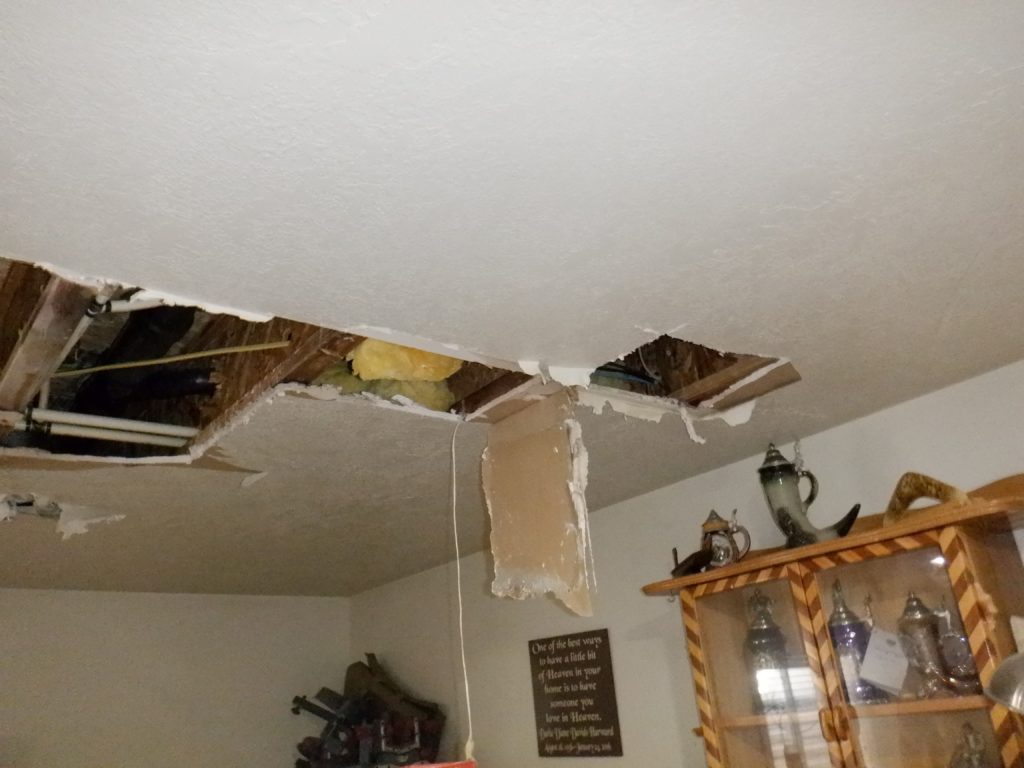
After a basement floods, many Northern Utah homeowners face an urgent decision before cleanup even begins: Is it safe to stay in the house? The answer depends on several factors, including the type of water involved, how far it spread, how long it has been present, and whether hidden damage exists.

This guide explains is it safe to stay in your home after flooding scenarios in clear, practical terms. It focuses on health risks, structural dangers, contamination levels, and realistic timelines, helping homeowners make informed decisions instead of guessing under stress.


Why This Question Matters So Much

Flooding is not just a property issue. It is a health and safety issue. According to the Centers for Disease Control and Prevention, floodwater exposure increases the risk of respiratory illness, bacterial infection, electrical injury, and long-term mold-related health problems.

In Northern Utah, winter flooding from snowmelt, frozen pipes, and sewer backup adds extra complications. Cold temperatures slow drying, allowing moisture to linger inside walls, flooring, and insulation long after visible water is gone.

Deciding whether it is safe to remain in the home requires understanding what kind of flooding occurred and what risks remain unseen.


Types of Floodwater and Safety Risk Levels

The type of water involved is the single biggest factor in determining whether a home is safe to occupy.

Water TypeSourceSafety RiskCan You Stay in the Home?
Clean waterBurst pipes, water heatersLow initiallySometimes, with fast cleanup
Gray waterWashers, dishwashers, minor drain backupModerateOften unsafe without cleanup
Black waterSewer or drain backup, contaminated runoffHighNot safe until remediated

Even clean water can become unsafe within 24 to 48 hours if not properly dried. This is why professional assessment is critical.


Health Risks That Are Not Immediately Visible

Many homeowners assume that if water looks clear and smells fine, the home is safe. Unfortunately, this is rarely true after flooding.

Mold Growth

Mold can begin growing within 24 to 48 hours in damp environments. The Environmental Protection Agency confirms that mold spores thrive behind walls, under flooring, and inside insulation, even when surfaces appear dry.

Bacteria and Pathogens

Floodwater often carries bacteria from soil, drains, or sewage systems. Sewer backup flooding presents the highest risk, introducing pathogens that can cause gastrointestinal illness, skin infections, and respiratory issues.

Air Quality Problems

As materials dry improperly, airborne particles increase. These include mold spores, dust, and chemical residues from contaminated water.

Children, elderly individuals, and people with asthma or compromised immune systems face heightened risk.


Structural and Electrical Dangers After Flooding

Safety is not limited to health concerns. Flooding can compromise the structure and electrical systems of a home.

Structural Risks Include:

  • Weakened drywall and framing
  • Compromised flooring supports
  • Shifting foundation materials
  • Hidden water damage inside load-bearing walls

Electrical Hazards Include:

  • Water contacting outlets or wiring
  • Short circuits behind walls
  • Corrosion of electrical components

The National Fire Protection Association warns that reactivating electricity before inspection increases the risk of fire and shock.


How Long Water Has Been Present Matters

Time is a critical variable in answering is it safe to stay in your home after flooding.

Time Since FloodingRisk Level
Less than 12 hoursLower risk if addressed immediately
12 to 48 hoursIncreased mold and contamination risk
Over 48 hoursHigh likelihood of unsafe conditions

In winter, cold temperatures slow evaporation, meaning damage often worsens even if standing water appears minimal.


When It May Be Safe to Stay Temporarily

In limited situations, staying in the home may be possible if all of the following are true:

  • Floodwater was clean
  • Water was limited to a small area
  • Power was shut off and inspected
  • Professional drying began immediately
  • No sewer or drain backup occurred

Even then, continued monitoring is essential. Odors, increased humidity, or health symptoms indicate the home may not be safe.


When You Should Leave the Home

You should leave the home immediately if:

  • Floodwater came from a sewer or drain
  • There is standing water near electrical systems
  • Mold odor is present
  • Structural sagging or wall damage is visible
  • Children or vulnerable individuals live in the home

Temporary relocation often prevents health complications and further damage.


Table: Safety Decision Guide

Condition PresentStay or Leave
Clean water, fast dryingPossibly stay
Gray water exposureLeave until cleaned
Black water exposureLeave immediately
Mold odorLeave
Electrical damageLeave
Unknown water sourceLeave

What Professional Cleanup Changes

Professional cleanup is not just about removing water. It determines habitability.

Cleanup professionals perform:

  • Moisture mapping behind walls
  • Air quality assessments
  • Antimicrobial treatments
  • Controlled drying with heated systems
  • Documentation for insurance and safety records

Floodsman technicians are trained to identify risks homeowners cannot see and restore homes safely.


FAQ: Is It Safe to Stay in Your Home After Flooding?

How soon can mold become a problem?

Mold can begin forming within 24 hours, even in winter.

Can I just dry the area myself?

Household fans and heaters rarely remove moisture inside walls or flooring.

What if only my basement flooded?

Basement flooding still affects air quality and structural systems throughout the home.

Is sewer water always dangerous?

Yes. Sewer water is considered hazardous and requires professional remediation.

Should I wait for insurance approval before cleanup?

No. Delaying cleanup increases damage and health risk. Documentation can occur alongside cleanup.


Final Thoughts for Northern Utah Homeowners

Flooding creates uncertainty and stress, especially when safety is unclear. Understanding is it safe to stay in your home after flooding requires evaluating water type, time, contamination, and hidden damage.

Floodsman Disaster Cleanup helps Northern Utah homeowners make safe decisions after flooding by providing professional assessment, thorough cleanup, and clear guidance through recovery.

If your home has flooded and you are unsure whether it is safe to stay, contact Floodsman for professional evaluation and cleanup support.

Filed Under: Blog Tagged With: flooding

Basement Flooding Responsibility in Northern Utah
February 6, 2026 By Ryan Marriott

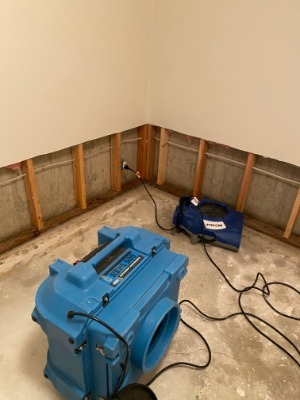
When a basement floods, one of the first questions homeowners ask is simple but stressful: Who is responsible for this? In Northern Utah, responsibility for basement flooding is rarely straightforward. Homeowners, municipalities, and insurance companies often interpret causes differently, and the outcome can determine who pays thousands of dollars in cleanup and repairs.

This guide breaks down basement flooding responsibility Northern Utah homeowners face, using real-world scenarios, insurance logic, and disaster cleanup best practices. The goal is to help homeowners understand liability, avoid costly mistakes, and take the right steps immediately after flooding occurs.


Why Responsibility Matters After Basement Flooding

Responsibility determines more than fault. It impacts:

  • Whether an insurance claim is approved or denied
  • Whether cleanup costs are reimbursed
  • Whether repairs fall on the homeowner or another party
  • Whether the issue is likely to happen again

In Northern Utah, flooding is often caused by overlapping factors such as aging infrastructure, snowmelt, heavy rain, and drainage limitations. That overlap is where confusion begins.


Common Causes of Basement Flooding in Northern Utah

Understanding cause is the foundation of responsibility. Below are the most common sources of basement flooding across Salt Lake, Davis, Weber, and Utah counties.

Flood SourceTypical CauseResponsibility Often Assigned To
Burst pipeFreezing or aging plumbingHomeowner
Sewer or drain backupOverloaded municipal systemsShared or disputed
Foundation seepagePoor drainage or cracksHomeowner
Snowmelt runoffFrozen ground, grading issuesHomeowner
City sewer overflowInfrastructure failureMunicipality
Appliance failureWater heater or washerHomeowner

Insurance companies evaluate these causes carefully, often using professional documentation to determine liability.


Homeowner Responsibility Explained

In most cases, homeowners are responsible for basement flooding that originates within the property. This includes failures tied to maintenance, aging materials, or preventable conditions.

Homeowner responsibility usually includes:

  • Frozen or burst pipes
  • Poor foundation drainage
  • Clogged private sewer laterals
  • Failed sump pumps
  • Improper grading or downspout placement
  • Aging water heaters or appliances

Insurance providers often classify these events as maintenance-related. According to the Insurance Information Institute, water damage caused by lack of upkeep is one of the most common reasons for denied claims.


When the City May Be Responsible

Municipal responsibility is more limited, but it does exist. In Northern Utah, cities may be involved when flooding is caused by failures in public systems.

Potential city responsibility scenarios include:

  • Municipal sewer main backups
  • Storm drain system failure
  • Infrastructure collapse or blockage
  • Confirmed system overload unrelated to homeowner actions

However, municipalities rarely accept responsibility automatically. Homeowners must usually prove that the flooding originated from a public system and not from private plumbing or drainage.


Basement Flooding Responsibility Northern Utah Homeowners Must Prove

Documentation is critical

Whether dealing with insurance or municipal claims, documentation determines outcomes. Professional cleanup companies play a key role here.

Documentation TypeWhy It Matters
Moisture mappingShows water origin and travel
Photographs and videoCaptures conditions before cleanup
Technician reportsSupports cause determination
Sewer camera inspectionsDistinguishes public vs private lines
Timing recordsEstablishes storm or system correlation

Cleanup professionals often provide reports that insurance adjusters and city engineers rely on to assess fault.


Insurance Coverage and Responsibility

Insurance coverage does not always align with responsibility. This is one of the biggest points of confusion for homeowners.

Key insurance distinctions:

  • Standard homeowner’s insurance often covers sudden pipe bursts but not groundwater or sewer backup.
  • Flood insurance typically applies to surface flooding and external water sources.
  • Sewer and drain backup riders are separate endorsements many homeowners do not have.

The National Flood Insurance Program and Utah Division of Emergency Management both emphasize that most flood-related losses occur outside designated flood zones.


Responsibility vs Coverage Comparison

ScenarioResponsibilityTypical Coverage
Frozen pipe burstHomeownerOften covered
Sewer backup without riderSharedOften denied
Snowmelt seepageHomeownerOften denied
Municipal sewer failureCityRarely automatic
Appliance leakHomeownerOften covered

This gap between responsibility and coverage is why fast professional assessment matters.


What Cleanup Professionals See Most Often

From a disaster cleanup perspective, many disputes stem from misidentified causes. Floodsman and similar professionals often find that:

  • Water entered through multiple pathways
  • Initial clean water became contaminated
  • Drainage issues existed before the event
  • Documentation was delayed or incomplete

These factors complicate responsibility and increase out-of-pocket costs.


FAQ: Basement Flooding Responsibility in Northern Utah

Who decides responsibility after a basement flood?

Insurance adjusters, city engineers, and sometimes third-party inspectors determine responsibility using documentation and inspections.

Can both the homeowner and city share responsibility?

Yes. Some cases involve both private drainage failure and public system overload.

Is sewer backup always the city’s fault?

No. Private sewer laterals are typically the homeowner’s responsibility even if they connect to public lines.

How long do I have to file a claim or report?

Insurance policies vary, but immediate reporting improves outcomes. Municipal claims often have strict deadlines.

Can I clean up before responsibility is determined?

Limited cleanup is acceptable, but full remediation should wait until documentation is completed by professionals.


How to Protect Yourself After Basement Flooding

To protect your position and your property:

  1. Avoid altering conditions before documentation
  2. Photograph and video all affected areas
  3. Do not assume responsibility prematurely
  4. Contact a professional cleanup company
  5. Notify insurance promptly

Professional cleanup is not just about drying a basement. It establishes an evidence trail.


Final Thoughts for Northern Utah Homeowners

Understanding basement flooding responsibility Northern Utah homeowners face can prevent financial surprises and long-term damage. Responsibility depends on cause, documentation, and timing. Acting quickly and professionally protects both your home and your claim.

Floodsman Disaster Cleanup helps homeowners navigate cleanup, documentation, and recovery after basement flooding. Their local expertise ensures problems are addressed correctly from the start.

If your basement has flooded, contact Floodsman for professional cleanup and guidance on next steps.

Filed Under: Blog Tagged With: flooding

Emergency Winter Water Damage Response in Northern Utah: What To Do When Water Strikes Fast

December 20, 2025 By Ryan Marriott

winter water damage response

Winter in Northern Utah brings a unique set of challenges for homeowners. When temperatures drop and storms roll across the Wasatch Front, the risk of sudden water damage rises sharply. From frozen pipes to roof leaks and sewer backup, winter water emergencies often happen without warning. The freezing and thawing cycles common in December create increased pressure on plumbing and drainage systems, and even a small failure can lead to significant flooding inside a home. Understanding what causes winter water damage and knowing how to respond immediately can prevent long-term structural issues and costly repairs.

This guide is designed to help homeowners act decisively in the first minutes of a winter water emergency. It outlines causes, safety considerations, emergency steps, insurance concerns, and cleanup best practices. It also explains how professional help from Floodsman Disaster Cleanup ensures thorough, safe restoration when disaster strikes.

Why Winter Water Damage Happens So Quickly

Winter water damage is often more destructive than water damage in other seasons because low temperatures make drying slower, moisture lingers inside building materials, and meltwater can travel unpredictably. Common causes include:

  • Frozen pipe bursts
  • Ice dam roof leaks
  • Sudden snowmelt entering foundations
  • Water heater or boiler failures
  • Sewer and drain backup during winter storms

Each scenario demands a fast and strategic winter water damage response northern utah homeowners can rely on. Acting quickly reduces the spread of moisture, prevents mold growth, and stabilizes the home until cleanup teams arrive.

First Actions to Take in a Winter Water Emergency

The first ten minutes are critical. Homeowners should follow these immediate steps to protect their safety and limit damage:

  1. Turn off electricity in affected areas if water is near outlets, appliances, or wiring.
  2. Shut off the main water supply if a pipe has burst or a fixture is actively leaking.
  3. Avoid touching the water if there is any chance it came from sewer or drain backup.
  4. Document visible damage through photos and video to strengthen insurance claims.
  5. Call a professional cleanup company to begin extraction and drying as soon as possible.

Fast action helps stabilize the home and prevents clean water from becoming contaminated water. In most cases, homeowners are not equipped to safely handle winter water cleanup on their own.

Winter water damage is more widespread than many homeowners realize. According to the Insurance Information Institute, frozen pipes are one of the costliest winter home disasters, with average claims exceeding 11,000 dollars and total annual losses climbing into the hundreds of millions nationwide. 

The American Red Cross notes that pipes can freeze when temperatures drop below 20 degrees Fahrenheit, a threshold Northern Utah often reaches multiple times throughout December. 

The National Weather Service also reports that rapid temperature swings can cause snowmelt runoff equivalent to several inches of rainfall in a single day, overwhelming drainage systems and increasing the likelihood of basement flooding or sewer backup. 

Homeowners can review detailed winter preparedness guidance through FEMA’s Winter Weather Safety resources, the National Weather Service’s flood hazard information, and the American Red Cross pipe-freeze prevention guide. Linking to these sources helps reinforce the importance of fast and informed winter water damage response.

Understanding the Types of Water Damage

Not all water in a winter flooding scenario is the same. Cleanup strategies depend on the type of water involved.

Water CategoryDescriptionRisk LevelRequired Cleanup
Clean WaterWater from broken pipes or appliancesLowExtraction and drying
Gray WaterWater with mild contaminantsModerateDisinfection and drying
Black WaterSewage or drain backupHighFull remediation and disposal of contaminated materials

Winter storms often turn clean water events into gray or black water events if they are not addressed immediately. Ice dams and snowmelt can mix with debris, and sewer systems become stressed during cold weather, which increases contamination risk.

Cleanup Methods Used in Winter Conditions

Successful winter water damage response northern utah homeowners need involves specialized equipment and procedures. Cold temperatures slow evaporation, meaning professional-grade systems must be used to restore safe dryness levels.

Professional cleanup methods include:

  • Heated drying systems to counter cold basement temperatures
  • Industrial water extraction pumps for rapid removal
  • Moisture mapping to locate water trapped behind walls and under flooring
  • Antimicrobial treatments when gray or black water is present
  • Structural assessments to determine if materials must be removed or repaired

Floodsman technicians are trained to identify hidden moisture that often escapes the eye, especially during winter when seepage can move through cracks or insulated spaces.

The Role of Insurance in Winter Water Damage

Insurance coverage varies widely when it comes to winter water issues. Many homeowners assume all water damage is covered, but exclusions are common. Below is a concise overview:

  • Burst pipes are often covered, though damage caused by neglect may be excluded.
  • Ice dam leaks are sometimes covered if homeowners maintain their roofs.
  • Sewer and drain backup usually requires a specific coverage add-on.
  • Snowmelt flooding may fall under flood insurance depending on the source and severity.

Documenting the cause, the extent of the damage, and any immediate remediation steps is essential. Early reporting helps claims move more smoothly.

For homeowners comparing cleanup services or wanting to understand how different companies approach winter flooding, our in-depth September guide offers a full breakdown of Northern Utah’s most trusted providers. Read Homeowner’s Guide to Flood Disaster Cleanup in Northern Utah: Comparing Local Companies to learn what separates top-tier emergency responders and why professional experience matters in winter conditions.

If you are concerned that winter water damage may be connected to sewer or drain issues, our October follow-up explains why backups increase during cold weather and what upgrades prevent them. Visit Preventing Basement Floods and Navigating Sewer Backups to learn practical steps that reduce seasonal flooding risks.

For a broader understanding of the environmental and structural causes behind winter flooding, see our in-depth overview Winter Flood Risks in Northern Utah: Causes, Damage, and Cleanup Strategies. This companion article explores the weather patterns that make December one of the highest-risk months of the year.

Q&A: Winter Water Damage Response

Q: Can water damage be worse in winter even if the leak seems small?
A: Yes. Cold temperatures slow evaporation, allowing moisture to migrate deeper into building materials. What looks minor on the surface can hide extensive damage underneath.

Q: How quickly can mold grow indoors after a winter flood?
A: Mold may begin forming within 24 to 48 hours, even in winter. Heated indoor environments create ideal conditions for mold growth after flooding.

Q: Should I try drying my basement with household fans?
A: Household fans cannot handle winter humidity levels or deep structural moisture. Professional heated drying systems are recommended.

Q: What if water returns after cleanup?
A: Continued moisture may indicate a hidden pipe leak, blocked drain line, or ice dam above the home. A full inspection should be performed.

Final Thoughts for Northern Utah Homeowners

Winter water emergencies require fast action and an informed response. Whether caused by a frozen pipe burst, an ice dam, sewer backup, or melting snow, water can spread rapidly and compromise both safety and structure. Professional help ensures the home is dried, cleaned, and restored correctly.

Floodsman Disaster Cleanup provides reliable 24 hour winter water damage response throughout Northern Utah. Their team understands regional winter conditions, local infrastructure, and the urgency needed to prevent long-term damage.

Contact Floodsman today for emergency winter cleanup or seasonal home protection services.

Filed Under: Blog Tagged With: disaster cleanup, flooding

Winter Flood Risks in Northern Utah: Causes, Damage, and Cleanup Strategies for Homeowners
December 11, 2025 By Ryan Marriott

Winter in Northern Utah brings more than snow-covered mountains and freezing temperatures. It also brings an increase in hidden water threats that put basements, foundations, and plumbing systems at risk. While many homeowners assume flooding only happens during spring rain, winter conditions often create more severe and unpredictable flooding scenarios. Snowmelt, ice dams, frozen pipes, sewer backups, and sudden storms each contribute to winter flood risks northern utah residents face every year.

This article breaks down the main causes of winter flooding, the damage they create, and proven strategies for safe and effective cleanup. With proper knowledge and professional support, homeowners can protect their property and respond quickly when water enters the home.

Understanding Winter Flood Risks in Northern Utah

The region’s terrain and climate make it susceptible to unique winter flood risks. These issues often appear with little warning and escalate quickly.

1. Rapid Snowmelt

Northern Utah experiences dramatic temperature swings in winter. A sudden warm front can melt several inches of snow within hours. When the ground is frozen, meltwater cannot absorb and instead flows toward foundations, window wells, and drainage systems. This runoff often finds its way into basements through cracks or saturated soil.

2. Ice Dams on Rooflines

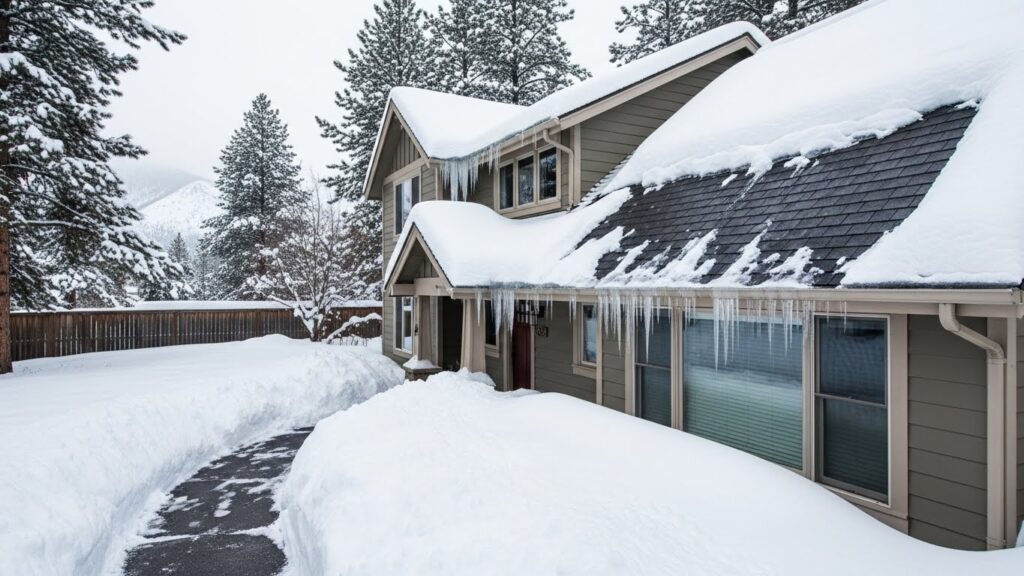
Ice dams form when heat escapes through the roof, melting snow that refreezes at the edges. As water pools behind the ice barrier, it seeps under shingles and travels down walls, eventually entering basements or crawl spaces. Homes with insufficient attic insulation or ventilation are especially vulnerable.

3. Frozen or Burst Pipes

frozen or burst pipes

When temperatures fall below freezing, uninsulated pipes in basements, crawl spaces, and exterior walls can freeze and burst. According to the Insurance Institute for Business and Home Safety, burst pipes are one of the most expensive sources of winter water damage. A single ruptured pipe can release hundreds of gallons of water within minutes.

4. Sewer and Drain Backup

Winter storms often overwhelm municipal drainage systems. Snowmelt, combined with debris and frozen blockages, can create pressure that forces sewer water backward into homes. This type of flooding is hazardous because it introduces contaminated water that requires professional remediation.

5. Water Heater or Boiler Failures

Increased winter usage and aging equipment raise the risk of tank leaks or failures. A burst water heater can flood basements quickly, especially if unnoticed for several hours.

Common Types of Winter Water Damage

Water behaves differently in cold weather, and the damage often spreads farther and faster than homeowners expect.

Damage TypeCauseImpact
Foundation seepageRapid snowmelt or icy soilStructural cracking and long-term shifting
Roof leaksIce dam moistureCeiling collapse and wall damage
Pipe burstsFrozen plumbingWidespread basement flooding
Sewer contaminationDrain backupHazardous cleanup and health risks
Appliance failureOverworked water heatersLocalized but severe water damage

These issues often require specialized drying equipment, antimicrobial treatments, and structural assessment.

Immediate Steps to Take After Winter Flooding

Winter flood risks northern utah homeowners face cannot always be avoided, but quick action minimizes damage.

1. Shut off electricity in affected areas if safe.
2. Stop the water source by closing the main valve if a pipe has burst.
3. Avoid walking through water if there is a chance of sewage contamination.
4. Document all damage for insurance purposes.
5. Contact a professional cleanup service as soon as possible.

Floodsman Disaster Cleanup offers 24 hour emergency response and has the specialized equipment required for winter water extraction and drying.

Cleanup Strategies for Winter Flooding

Proper cleanup requires more than drying surfaces. Winter flooding introduces unique risks that demand professional care.

Frozen Pipe Burst Cleanup

Technicians remove standing water, cut out waterlogged materials, and use industrial heaters and dehumidifiers to dry hidden areas.

Ice Dam Water Intrusion

Cleanup includes roof repairs, moisture mapping inside walls, and addressing attic insulation or ventilation problems to prevent recurrence.

Sewer Backup Cleanup

This scenario requires full disinfection with EPA approved antimicrobial products, removal of contaminated materials, and air quality testing.

Snowmelt-Related Foundation Flooding

Professionals inspect drainage paths, seal cracks, and install mitigation systems such as sump pumps or French drains.

Winter flooding in Northern Utah is more common than many homeowners realize. According to FEMA data, more than 20 percent of all flood claims nationwide occur during the winter months, even in regions where snowfall is the primary source of moisture. The Utah Division of Emergency Management reports that rapid freeze–thaw cycles in the Wasatch Front region increase groundwater pressure and foundation seepage, contributing to structural damage in thousands of homes each decade.

The National Weather Service also emphasizes that a single warm storm passing over deep snowpack can produce runoff equal to multiple inches of rainfall. These events overwhelm older neighborhood drainage systems and frequently lead to sewer or drain backup in basements. Homeowners can access flood preparation resources through Utah’s Be Ready initiative and the National Flood Insurance Program, both of which encourage proactive maintenance and proper documentation of home vulnerabilities. Adding these resources to your winter planning increases awareness and reduces the chances of major water damage during extreme weather changes.

Q&A: Winter Flood Risks in Northern Utah

Q: Are winter floods more damaging than spring floods?
A: Yes. Frozen ground, snowmelt pressure, and rapid temperature changes often cause water to enter homes faster and penetrate deeper.

Q: How can I tell if water in my basement came from an ice dam?
A: Look for moisture around exterior walls, ceilings, or insulation. Ice dam water usually enters from higher points rather than floor-level drains.

Q: Are frozen pipe repairs covered by insurance?
A: Burst pipes are often covered, but damage caused by lack of maintenance may not be. It varies by policy.

Q: Can snowmelt cause sewer backup?
A: Yes. When municipal systems are overloaded by meltwater, drains can reverse flow toward homes.

Final Thoughts for Homeowners

Winter conditions bring a range of hidden water threats. Understanding the causes and responding quickly helps reduce the financial and emotional stress of flooding. Whether the issue began with an ice dam, a burst pipe, or sewer backup, Floodsman Disaster Cleanup provides reliable, local expertise to restore your home safely.

Contact Floodsman today for emergency winter flood cleanup or a winter flood risks inspection.

Filed Under: Blog Tagged With: basement flooding, disaster cleanup, flooding

Preventing Basement Floods & Navigating Sewer Backups: A Homeowner’s Follow-Up Guide to Flood Disaster Cleanup in Northern Utah
October 15, 2025 By Ryan Marriott

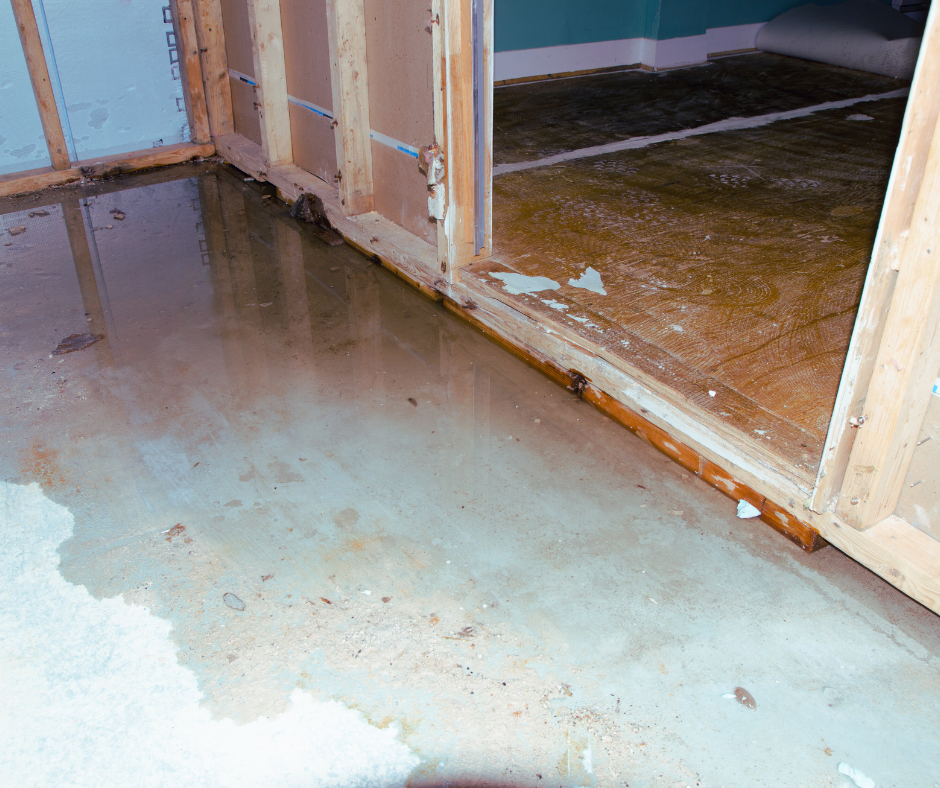
After a summer of storms and flash flooding, many Northern Utah homeowners are now asking the next big question: how can I prevent my basement from flooding again? While disaster cleanup restores your home, prevention and preparation are just as critical for long-term protection. Homeowners who combine preventive measures with professional flood disaster cleanup in northern Utah stand the best chance of protecting both their property and their peace of mind.

With fall rains and early snowmelt around the corner, understanding how to reduce risks before the next storm can save thousands of dollars. According to the Insurance Information Institute, the average water damage claim costs more than $12,000, and FEMA reports just one inch of water can lead to over $25,000 in property damage.

This follow-up guide builds on our earlier comparison of local companies and shifts focus to upgrades, sewer backup issues, and insurance details that homeowners in Ogden, Salt Lake City, Provo, and surrounding areas should know.

Why Basements in Northern Utah Stay at Risk

Even after a thorough cleanup, basements in Utah remain vulnerable. Some of the biggest contributors include:

  • High water tables in Davis, Weber, and Utah Counties that cause seepage through cracks.
  • Rapid snowmelt during spring, often overwhelming city drainage systems.
  • Heavy fall storms that bring flash flooding to the Wasatch Front.
  • Sewer backups when municipal systems cannot keep up with rainfall.

Reddit threads in homeowner and plumbing forums frequently highlight basement floods caused by water rising from floor drains during intense rainfall. These stories are common because Northern Utah neighborhoods, especially older ones, have aging infrastructure that struggles during storm surges.

Warning Signs of Future Flood Problems

Before the next major storm, look for these red flags that suggest your basement could be at risk:

  • Water stains or damp patches on basement walls or floors
  • Musty odors that indicate hidden mold or moisture
  • Sump pumps that cycle often or make unusual noises
  • Standing water around foundation walls after rain
  • Slow drainage or gurgling sounds from floor drains

Catching these signs early allows you to take preventive action before another emergency cleanup is required.

flood house repair
flood disaster cleanup in northern utah 2

Upgrades That Protect Northern Utah Basements

Investing in prevention reduces long-term costs and stress. Local contractors and disaster cleanup experts recommend the following upgrades:

  • Sump Pump with Backup Power – Install a battery or generator backup so your pump continues working during outages.
  • Backwater Valve – This prevents sewage from backing up through floor drains when city systems are overloaded.
  • French Drains and Grading – Directs water away from your foundation during storms.
  • Foundation Crack Sealing – Prevents seepage from high groundwater pressure.
  • Smart Moisture Sensors – Alerts you to rising humidity or leaks before damage escalates.

A combination of these upgrades offers layered protection, especially in neighborhoods prone to repeat flooding.

Sewer Backup: The Hidden Flood Risk

While most homeowners think of floods as water entering through doors or walls, many basement floods in Utah are caused by sewer backups. During heavy storms, municipal systems can get overwhelmed, forcing water and waste back into homes through floor drains.

Steps homeowners can take to reduce this risk include:

  • Installing a professionally fitted backwater valve.
  • Regularly inspecting sewer lines for blockages.
  • Avoiding flushing items that cause clogs, like wipes or grease.
  • Scheduling annual drain inspections, especially in older homes.

When a sewer backup does occur, the contamination makes professional flood disaster cleanup in northern utah essential. DIY cleanup is unsafe because sewage water can contain harmful bacteria and chemicals.

Insurance Coverage: What Homeowners Often Miss

A major frustration for Utah homeowners after basement flooding is discovering that their insurance coverage is limited. The Utah Division of Emergency Management stresses that standard homeowner’s insurance does not usually cover flooding caused by outside water sources.

Key points to know:

  • Flood Insurance must often be purchased separately through FEMA’s National Flood Insurance Program.
  • Sewer Backup Coverage may require an additional rider on your policy.
  • Maintenance Exclusions mean insurers may deny claims if the damage resulted from neglected repairs.
  • Documentation is critical; companies like Floodsman provide photos and reports that strengthen insurance claims.

Review your policy now to avoid unpleasant surprises when the next flood hits.

Case Example: Preventive Upgrades in Action

One Northern Utah homeowner in Weber County experienced two major floods in three years. After the second event, they invested in a new sump pump with battery backup and installed a backwater valve. During the following year’s heavy spring runoff, their basement stayed dry while neighbors on the same street faced another round of cleanup.

The upfront investment of around $4,500 saved tens of thousands in potential flood damage.

Q&A: Flood Disaster Cleanup in Northern Utah

Q: How long does professional drying take after a flood?
A: Most basements require three to five days with industrial drying equipment. Severe cases can take a week or more.

Q: What health risks come from untreated flood damage?
A: Mold growth can cause respiratory issues and structural decay, while sewer water carries dangerous bacteria and toxins.

Q: Will a sump pump with backup power always prevent flooding?
A: Not always. Pumps can be overwhelmed if water volume exceeds capacity or if inlet drainage is blocked. Layered protection is best.

Q: How often should preventive systems be tested?
A: Sump pumps should be tested quarterly, and drain valves and sensors should be inspected annually.

Q: If my basement still floods after upgrades, what should I check next?
A: Look for hidden leaks, failing drain tiles, or hydrostatic pressure issues that may require professional assessment.

Final Thoughts for Northern Utah Homeowners

Prevention and preparation are the best defenses against the stress and expense of flooding. Upgrades like sump pumps with backup power, backwater valves, and drainage improvements reduce the likelihood of disaster. But when water still finds its way in, professional flood disaster cleanup in northern Utah ensures your home is restored safely and completely.

Floodsman Disaster Cleanup not only responds quickly to emergencies but also helps homeowners plan preventive measures and navigate insurance claims. Acting before the next big storm will give you peace of mind and protect your investment.

Contact Floodsman today to schedule a flood risk assessment or for 24/7 cleanup support.

Filed Under: Blog Tagged With: disaster cleanup, flooding

Homeowner’s Guide to Flood Disaster Cleanup in Northern Utah: Comparing Local Companies for Basement Recovery
September 26, 2025 By Ryan Marriott

Flooding in a basement is one of the most stressful emergencies a homeowner can face. Northern Utah’s weather patterns, with spring runoff and sudden summer storms, often create conditions that put homes at risk. According to FEMA, just one inch of floodwater can cause more than $25,000 in damage, and many insurance policies do not automatically cover these costs. For families in Ogden, Salt Lake City, Provo, and surrounding areas, knowing who to call for flood disaster cleanup in Northern Utah can make all the difference.

This guide compares local disaster cleanup companies and highlights the most important factors to consider before choosing a provider. Our goal is to help homeowners make informed decisions. We’ll review the strengths and weaknesses of common providers, then show why Floodsman has become a trusted leader for Utah residents dealing with basement flooding.

Why Basement Flooding Is Such a Challenge in Northern Utah

Northern Utah faces unique conditions that make basements particularly vulnerable to flooding:

  • High water tables in parts of Davis, Weber, and Utah Counties increase the risk of seepage.
  • Rapid snowmelt in spring often overwhelms drainage systems.
  • Sudden summer storms can dump inches of rain in just hours.
  • Aging infrastructure in older neighborhoods makes backups more likely.

A study from Utah’s Division of Emergency Management shows that flood-related damage ranks among the top three natural disaster costs for the state each decade.

Key Factors to Compare in Local Flood Cleanup Companies

When reviewing options for flood disaster cleanup in Northern Utah, homeowners consistently mention these factors in online discussions (Reddit threads and Google reviews):

FactorWhy It MattersWhat to Look For
Response TimeWater damage escalates in hours24/7 emergency availability
ExperienceSkilled teams reduce long-term risksCertified technicians, local track record
EquipmentIndustrial pumps, dehumidifiers, and drying toolsModern, AI-assisted moisture detection
Insurance SupportNavigating claims can be complexCompanies that document and coordinate with insurers
Customer ReviewsReflects real experiencesHigh Google ratings, detailed feedback
Pricing TransparencyPrevents unpleasant surprisesClear estimates, no hidden fees

Commonly Discussed Cleanup Providers in Northern Utah

Homeowners online frequently mention a handful of service providers when dealing with basement floods. These include national franchises, smaller independents, and regional specialists.

  • National Chains (like Servpro and ServiceMaster)
    • Pros: Large networks, lots of resources
    • Cons: Mixed reviews locally, less personalized service
  • Local Independent Contractors
    • Pros: Often cheaper, quick to schedule
    • Cons: Quality varies widely, may lack equipment for major floods
  • Regional Specialists (like Floodsman)
    • Pros: Deep local knowledge, tailored to Utah’s climate, reliable reviews
    • Cons: Smaller footprint compared to national chains (but often more hands-on service)

Side-by-Side Comparison: Floodsman vs Competitors

CompanyStrengthsWeaknessesBest For
FloodsmanFast local response, AI-enhanced moisture detection, excellent reviews, strong insurance supportSmaller footprint than national chainsHomeowners wanting fast, personalized service in Northern Utah
ServproLarge network, nationwide brand recognition, lots of resourcesResponse time varies, mixed local reviewsThose who prefer a well-known national name
ServiceMasterWide coverage, experienced technicians, established processesCan be costlier, service quality varies by franchiseLarge-scale commercial or residential jobs where brand reputation matters

Why Floodsman Stands Out in Northern Utah

flood house repair

Floodsman has positioned itself as the go-to company for flood disaster cleanup in Northern Utah because it blends speed, expertise, and personal service. Here is how it compares across the most important homeowner concerns:

  • Fast Response – Technicians are on call 24/7 and typically arrive faster than national chains.
  • Advanced Technology – Floodsman uses AI-enhanced moisture detection and drying strategies to ensure water does not linger in hidden areas like wall cavities or subflooring.
  • Insurance Coordination – Their team documents all damage and works directly with insurers to reduce the burden on homeowners.
  • Trusted Reviews – Local customers consistently highlight professionalism, courtesy, and clear communication.

Q&A: Flood Disaster Cleanup in Northern Utah

Q: How quickly should I call a cleanup company after discovering a flooded basement?
A: Immediately. Mold can begin forming within 24 to 48 hours. Delaying increases both health risks and costs.

Q: Does homeowner’s insurance cover basement flooding?
A: Standard policies usually exclude flooding caused by outside water. You may need separate flood insurance, though water damage from burst pipes is often covered. Always confirm with your provider.

Q: What is the average cost of flood disaster cleanup in Northern Utah?
A: Costs vary based on square footage and severity. A minor basement flood might cost $2,000–$5,000, while extensive flood disaster cleanup in northern Utah can reach $10,000 or more.

Q: Can I handle cleanup myself?
A: Small leaks can sometimes be managed, but full basement flooding requires industrial equipment and expertise to prevent mold and structural damage.

Q: How long does professional basement drying usually take?
A: The timeline depends on the size of the basement and the severity of the flooding. On average, full drying and dehumidification can take three to five days. Severe cases with soaked walls or flooring may take a week or longer.

Q: What health risks come with untreated flood damage?
A: Standing water and residual moisture can lead to mold growth, which causes respiratory issues, allergies, and long-term structural decay. Floodwater may also contain contaminants like sewage or chemicals, making professional cleanup essential.

Final Thoughts for Northern Utah Homeowners

When comparing flood disaster cleanup in Northern Utah companies, the best choice often comes down to speed, reliability, and proven results. While large chains and local independents have their strengths, Floodsman consistently delivers on all the key factors homeowners care about: rapid response, advanced tools, and trusted support.

If you are facing a flooded basement, acting fast is essential. Floodsman Disaster Cleanup is ready to help Northern Utah families recover quickly and safely.

Contact Floodsman today for 24/7 flood disaster cleanup in Northern Utah.

Flood disaster cleanup is only part of the solution. Prevention and preparation are just as important for protecting your home long-term. Check out our upcoming article on flood disaster cleanup in northern utah prevention strategies, including upgrades, sewer backup protection, and insurance tips to keep your basement safe before the next storm.

Filed Under: Blog Tagged With: disaster cleanup, flooding

About

Northern Utah Flood Cleanup Specialists! Water, Sewage and Mold are our specialties. We make the process fast and easy!

Like Us on Facebook
Check out Floodsmen Disaster Cleanup on Yelp

Contact Us In Kaysville

854 W 450 N STE 9

Kaysville, Utah 84037

phone: (801) 477-8242

Read More

Contact Us In Clearfield

P.O. Box 160554

Clearfield, UT 84016

phone: (801) 896-1000

E-Mail: info@floodsmen.com

Request Service or Assessment

Copyright Floodsman Disaster Cleanup 2021