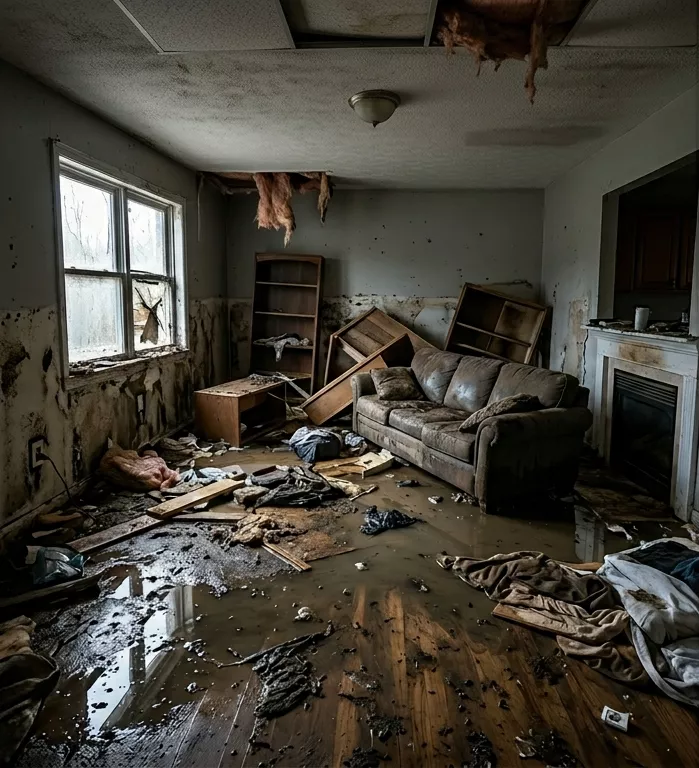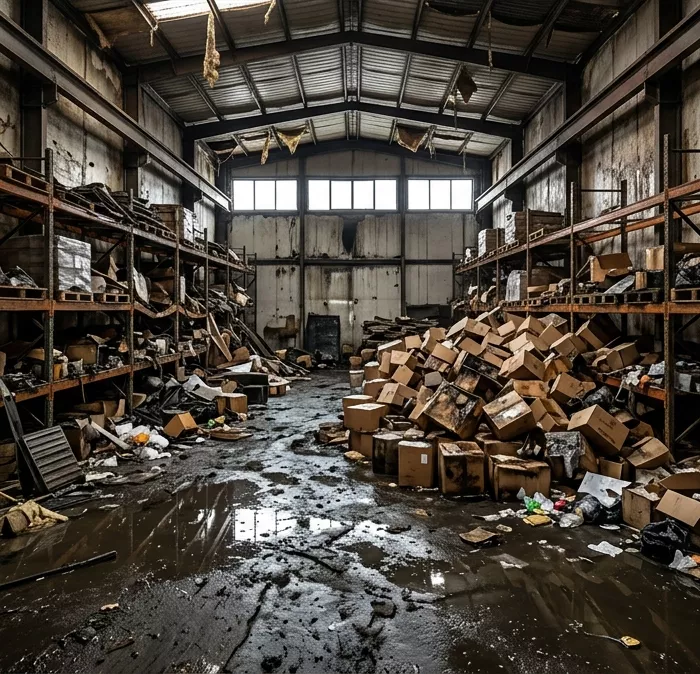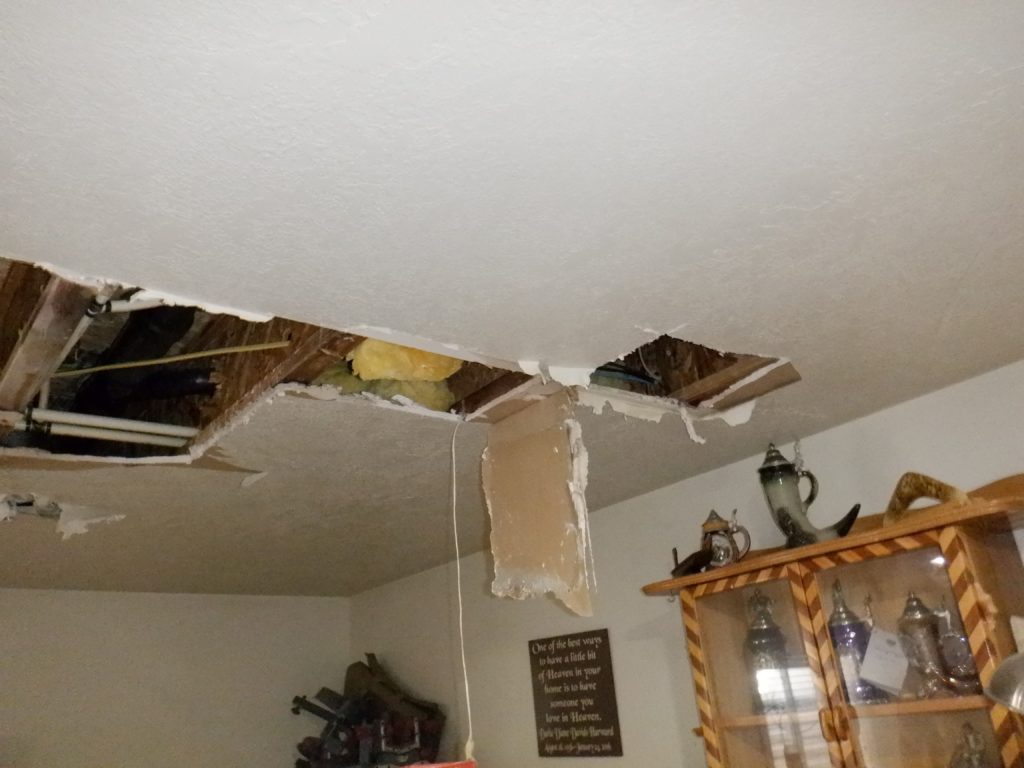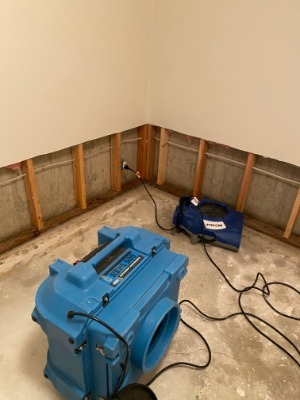
Winter in Northern Utah brings a unique set of challenges for homeowners. When temperatures drop and storms roll across the Wasatch Front, the risk of sudden water damage rises sharply. From frozen pipes to roof leaks and sewer backup, winter water emergencies often happen without warning. The freezing and thawing cycles common in December create increased pressure on plumbing and drainage systems, and even a small failure can lead to significant flooding inside a home. Understanding what causes winter water damage and knowing how to respond immediately can prevent long-term structural issues and costly repairs.
This guide is designed to help homeowners act decisively in the first minutes of a winter water emergency. It outlines causes, safety considerations, emergency steps, insurance concerns, and cleanup best practices. It also explains how professional help from Floodsman Disaster Cleanup ensures thorough, safe restoration when disaster strikes.
Why Winter Water Damage Happens So Quickly
Winter water damage is often more destructive than water damage in other seasons because low temperatures make drying slower, moisture lingers inside building materials, and meltwater can travel unpredictably. Common causes include:
- Frozen pipe bursts
- Ice dam roof leaks
- Sudden snowmelt entering foundations
- Water heater or boiler failures
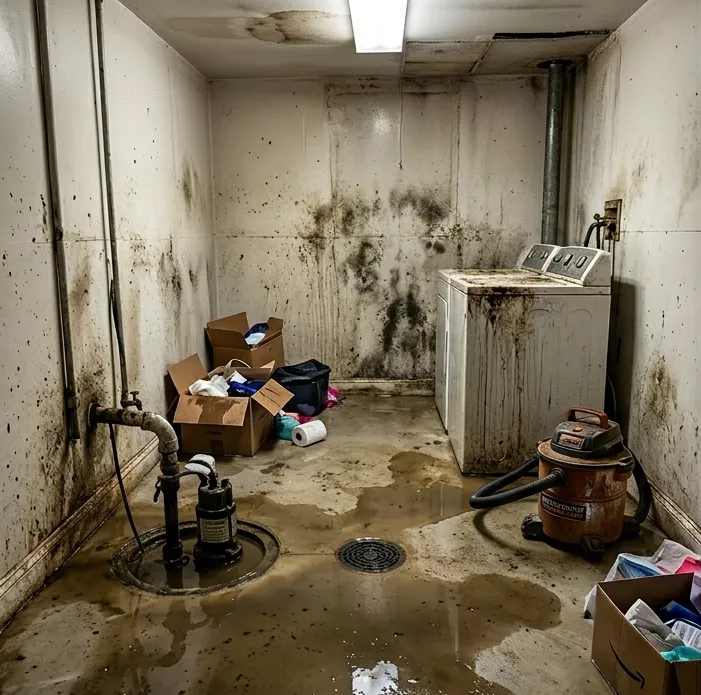
- Sewer and drain backup during winter storms
Each scenario demands a fast and strategic winter water damage response northern utah homeowners can rely on. Acting quickly reduces the spread of moisture, prevents mold growth, and stabilizes the home until cleanup teams arrive.
First Actions to Take in a Winter Water Emergency
The first ten minutes are critical. Homeowners should follow these immediate steps to protect their safety and limit damage:
- Turn off electricity in affected areas if water is near outlets, appliances, or wiring.
- Shut off the main water supply if a pipe has burst or a fixture is actively leaking.
- Avoid touching the water if there is any chance it came from sewer or drain backup.
- Document visible damage through photos and video to strengthen insurance claims.
- Call a professional cleanup company to begin extraction and drying as soon as possible.
Fast action helps stabilize the home and prevents clean water from becoming contaminated water. In most cases, homeowners are not equipped to safely handle winter water cleanup on their own.
Winter water damage is more widespread than many homeowners realize. According to the Insurance Information Institute, frozen pipes are one of the costliest winter home disasters, with average claims exceeding 11,000 dollars and total annual losses climbing into the hundreds of millions nationwide.
The American Red Cross notes that pipes can freeze when temperatures drop below 20 degrees Fahrenheit, a threshold Northern Utah often reaches multiple times throughout December.
The National Weather Service also reports that rapid temperature swings can cause snowmelt runoff equivalent to several inches of rainfall in a single day, overwhelming drainage systems and increasing the likelihood of basement flooding or sewer backup.
Homeowners can review detailed winter preparedness guidance through FEMA’s Winter Weather Safety resources, the National Weather Service’s flood hazard information, and the American Red Cross pipe-freeze prevention guide. Linking to these sources helps reinforce the importance of fast and informed winter water damage response.
Understanding the Types of Water Damage
Not all water in a winter flooding scenario is the same. Cleanup strategies depend on the type of water involved.
| Water Category | Description | Risk Level | Required Cleanup |
| Clean Water | Water from broken pipes or appliances | Low | Extraction and drying |
| Gray Water | Water with mild contaminants | Moderate | Disinfection and drying |
| Black Water | Sewage or drain backup | High | Full remediation and disposal of contaminated materials |
Winter storms often turn clean water events into gray or black water events if they are not addressed immediately. Ice dams and snowmelt can mix with debris, and sewer systems become stressed during cold weather, which increases contamination risk.
Cleanup Methods Used in Winter Conditions
Successful winter water damage response northern utah homeowners need involves specialized equipment and procedures. Cold temperatures slow evaporation, meaning professional-grade systems must be used to restore safe dryness levels.
Professional cleanup methods include:
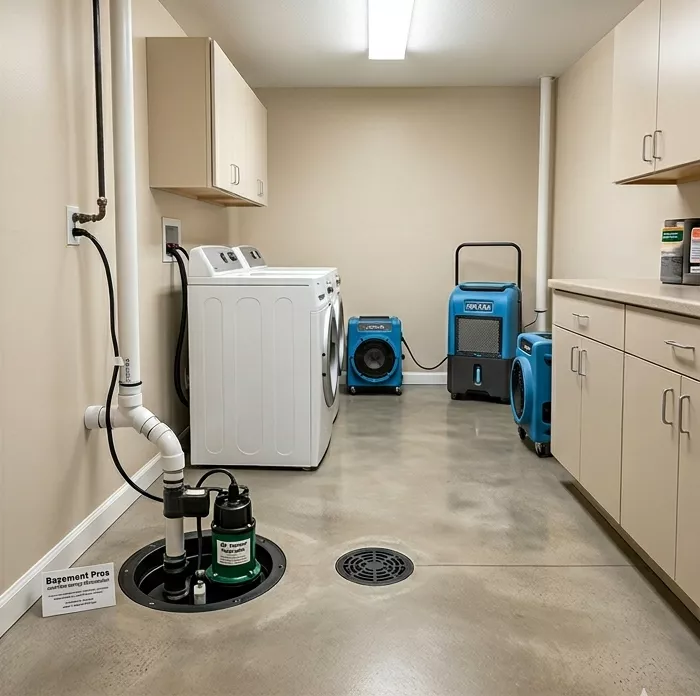
- Heated drying systems to counter cold basement temperatures
- Industrial water extraction pumps for rapid removal
- Moisture mapping to locate water trapped behind walls and under flooring
- Antimicrobial treatments when gray or black water is present
- Structural assessments to determine if materials must be removed or repaired
Floodsman technicians are trained to identify hidden moisture that often escapes the eye, especially during winter when seepage can move through cracks or insulated spaces.
The Role of Insurance in Winter Water Damage
Insurance coverage varies widely when it comes to winter water issues. Many homeowners assume all water damage is covered, but exclusions are common. Below is a concise overview:
- Burst pipes are often covered, though damage caused by neglect may be excluded.
- Ice dam leaks are sometimes covered if homeowners maintain their roofs.
- Sewer and drain backup usually requires a specific coverage add-on.
- Snowmelt flooding may fall under flood insurance depending on the source and severity.
Documenting the cause, the extent of the damage, and any immediate remediation steps is essential. Early reporting helps claims move more smoothly.
For homeowners comparing cleanup services or wanting to understand how different companies approach winter flooding, our in-depth September guide offers a full breakdown of Northern Utah’s most trusted providers. Read Homeowner’s Guide to Flood Disaster Cleanup in Northern Utah: Comparing Local Companies to learn what separates top-tier emergency responders and why professional experience matters in winter conditions.
If you are concerned that winter water damage may be connected to sewer or drain issues, our October follow-up explains why backups increase during cold weather and what upgrades prevent them. VisitPreventing Basement Floods and Navigating Sewer Backupsto learn practical steps that reduce seasonal flooding risks.
For a broader understanding of the environmental and structural causes behind winter flooding, see our in-depth overview Winter Flood Risks in Northern Utah: Causes, Damage, and Cleanup Strategies. This companion article explores the weather patterns that make December one of the highest-risk months of the year.
Q&A: Winter Water Damage Response
Q: Can water damage be worse in winter even if the leak seems small?
A: Yes. Cold temperatures slow evaporation, allowing moisture to migrate deeper into building materials. What looks minor on the surface can hide extensive damage underneath.
Q: How quickly can mold grow indoors after a winter flood?
A: Mold may begin forming within 24 to 48 hours, even in winter. Heated indoor environments create ideal conditions for mold growth after flooding.
Q: Should I try drying my basement with household fans?
A: Household fans cannot handle winter humidity levels or deep structural moisture. Professional heated drying systems are recommended.
Q: What if water returns after cleanup?
A: Continued moisture may indicate a hidden pipe leak, blocked drain line, or ice dam above the home. A full inspection should be performed.
Final Thoughts for Northern Utah Homeowners
Winter water emergencies require fast action and an informed response. Whether caused by a frozen pipe burst, an ice dam, sewer backup, or melting snow, water can spread rapidly and compromise both safety and structure. Professional help ensures the home is dried, cleaned, and restored correctly.
Floodsman Disaster Cleanup provides reliable 24 hour winter water damage response throughout Northern Utah. Their team understands regional winter conditions, local infrastructure, and the urgency needed to prevent long-term damage.
Contact Floodsman todayfor emergency winter cleanup or seasonal home protection services.