
Finished basements are where many Davis County families spend their time: family rooms, guest bedrooms, home offices, and playrooms. That also means there’s a lot more at stake when water gets in. After finished basement water damage, the big question is always the same: what can we save, and what has to be torn out? The answer depends on the type of water, how long materials stayed wet, and what each material is made of. Here’s how we evaluate it.
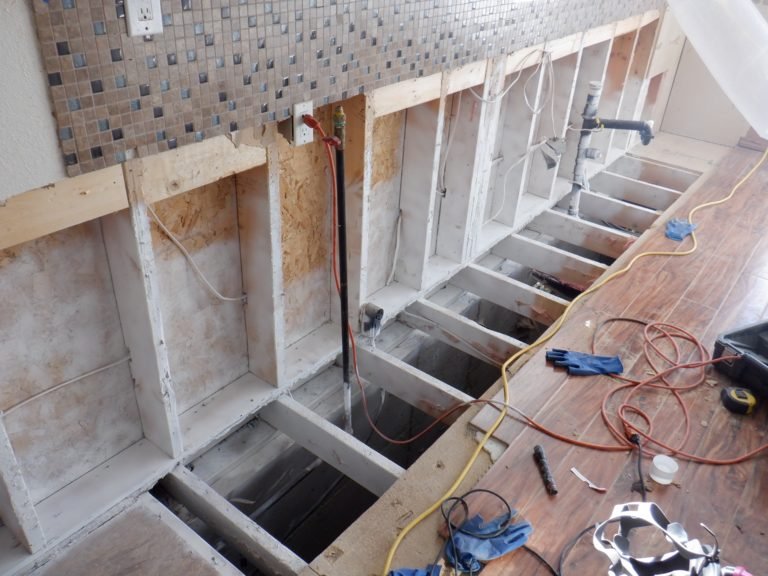
It Starts With the Type of Water
Restoration professionals sort water into three categories, and the category largely determines what can be salvaged.
- Clean water (Category 1): Water from a broken supply line, water heater, or overflowing sink. If addressed quickly, many materials can be dried and saved.
- Gray water (Category 2): Water with some contamination, such as washing machine or dishwasher overflow. More porous materials may need to be removed.
- Black water (Category 3): Sewer backups and outside floodwater, including groundwater that seeps through foundation walls after traveling through soil. Porous materials it touches should generally be removed and discarded for health reasons.
Keep in mind that clean water doesn’t stay clean. After a day or two in contact with carpet, drywall, and dust, it can degrade to a higher category. That’s one more reason fast response matters.
Carpet and Carpet Pad
Carpet pad soaks up water like a sponge and is very hard to dry and sanitize, so it’s almost always replaced. The carpet itself can often be saved after a clean-water loss if extraction and drying begin within the first day or two. After a sewer backup or outdoor flooding, both carpet and pad should be removed.
Drywall and Insulation
Drywall wicks water upward, sometimes well above the visible water line. If drywall was only briefly exposed to clean water, professional drying equipment can sometimes dry it in place. More often, the lower portion of the wall is cut out, commonly a couple of feet from the floor, so the wall cavity can dry and any wet insulation can be removed. Fiberglass batt insulation that gets soaked loses its effectiveness and can trap moisture against framing, so it is typically replaced.
Hard Flooring: LVP, Laminate, Hardwood, and Tile
- Luxury vinyl plank (LVP): The planks themselves resist water, but water often gets trapped underneath on the concrete slab. Planks may need to be lifted so the floor can dry, and some can be reinstalled.
- Laminate: Laminate has a fiberboard core that swells when wet. Once it swells or the edges peak, it usually needs to be replaced.
- Engineered hardwood: Can sometimes be dried, but cupping and delamination often mean replacement.
- Ceramic and porcelain tile: Usually survives well. The grout and any underlayment should be checked and cleaned.
Framing, Trim, and Cabinets
Wood studs and bottom plates can almost always be dried in place with air movers and dehumidifiers, then treated if needed. Baseboards and door casing made of MDF tend to swell and are usually replaced, while solid wood trim can often be saved. Cabinets with particleboard boxes are prone to swelling at the base, so bathroom vanities and wet bar cabinets in basements are often a loss after significant water exposure.
Furniture, Electronics, and Belongings
- Solid wood furniture: Often salvageable if dried slowly and away from direct heat.
- Upholstered furniture and mattresses: Usually a loss after contaminated water. After clean water, some pieces may be professionally cleaned.
- Electronics and appliances: Don’t plug them in until a qualified technician has checked them.
- Photos and documents: Rinse gently with clean water if needed and air dry, or freeze them in sealed bags until you can dry them properly.
- Clothing and textiles: Most can be laundered. Items exposed to sewage should be washed in hot water with disinfectant or discarded.
Don’t Forget About Hidden Moisture
A finished basement can look dry on the surface while moisture stays trapped in wall cavities, under flooring, and in the concrete slab. That hidden moisture is how mold ends up growing behind freshly painted walls weeks later. Professional restorers use moisture meters and thermal cameras to find wet areas you can’t see and keep drying until materials are back to normal levels. If you notice a musty smell after a flood, learn more about mold removal in Davis County.
For health guidance on cleaning up after contaminated water, the CDC offers helpful information.
Protecting Your Investment During Rebuild
If your finished basement needs to be rebuilt, it’s worth thinking about materials that handle water better next time. Options include water-resistant flooring such as LVP or tile, moisture-resistant drywall along the bottom of walls, raising stored items off the floor, and adding a battery backup sump pump and water alarm. See our sump pump checklist for more prevention ideas.
Finished Basement Water Damage Restoration in Davis County
Floodsmen Disaster Cleanup helps Davis County families in Layton, Kaysville, Farmington, Bountiful, Centerville, Syracuse, Clearfield, and nearby communities save as much of their finished basement as possible. We extract water, remove only what needs to go, dry what can be saved, and document every step for your insurance company. Call us 24/7 when water shows up downstairs.
Frequently Asked Questions About Finished Basement Water Damage
Can wet drywall in a basement be saved?
Sometimes. Drywall briefly exposed to clean water may be dried in place with professional equipment. If it has been wet for more than a day, has swollen or crumbled, or was exposed to sewage or floodwater, the damaged section should be cut out and replaced so the wall cavity can dry.
Can carpet be saved after a basement flood?
Carpet can often be saved after a clean-water leak if drying starts within 24 to 48 hours, but the carpet pad is usually replaced. Carpet and pad exposed to sewage, groundwater, or outdoor floodwater should be removed and discarded.
Is LVP flooring ruined if my basement floods?
Luxury vinyl plank is water-resistant, so the planks often survive. The concern is water trapped underneath on the concrete slab, which can lead to mold. Planks may need to be lifted for drying, and many can be reinstalled afterward.
How do I know if there is hidden moisture after a basement flood?
Hidden moisture is hard to detect by touch or sight. Signs include a musty smell, peeling paint, warped baseboards, or stains appearing days later. Restoration professionals use moisture meters and thermal imaging cameras to confirm walls, floors, and framing are fully dry.
How much does finished basement water damage restoration cost in Davis County?
Cost depends on the square footage affected, the type of water, how long materials stayed wet, and what needs to be removed and rebuilt. A clean-water loss caught early costs far less than a sewage backup or a flood discovered days later. Floodsmen provides an assessment and works directly with insurance.
Who restores water-damaged finished basements in Davis County?
Floodsmen Disaster Cleanup is a locally owned restoration company that provides 24/7 water extraction, drying, and restoration for finished basements throughout Davis County, Utah.